**Exploring the Connection between Urban Redevelopment and Animals in Africa**
Category : | Sub Category : Posted on 2024-10-05 22:25:23
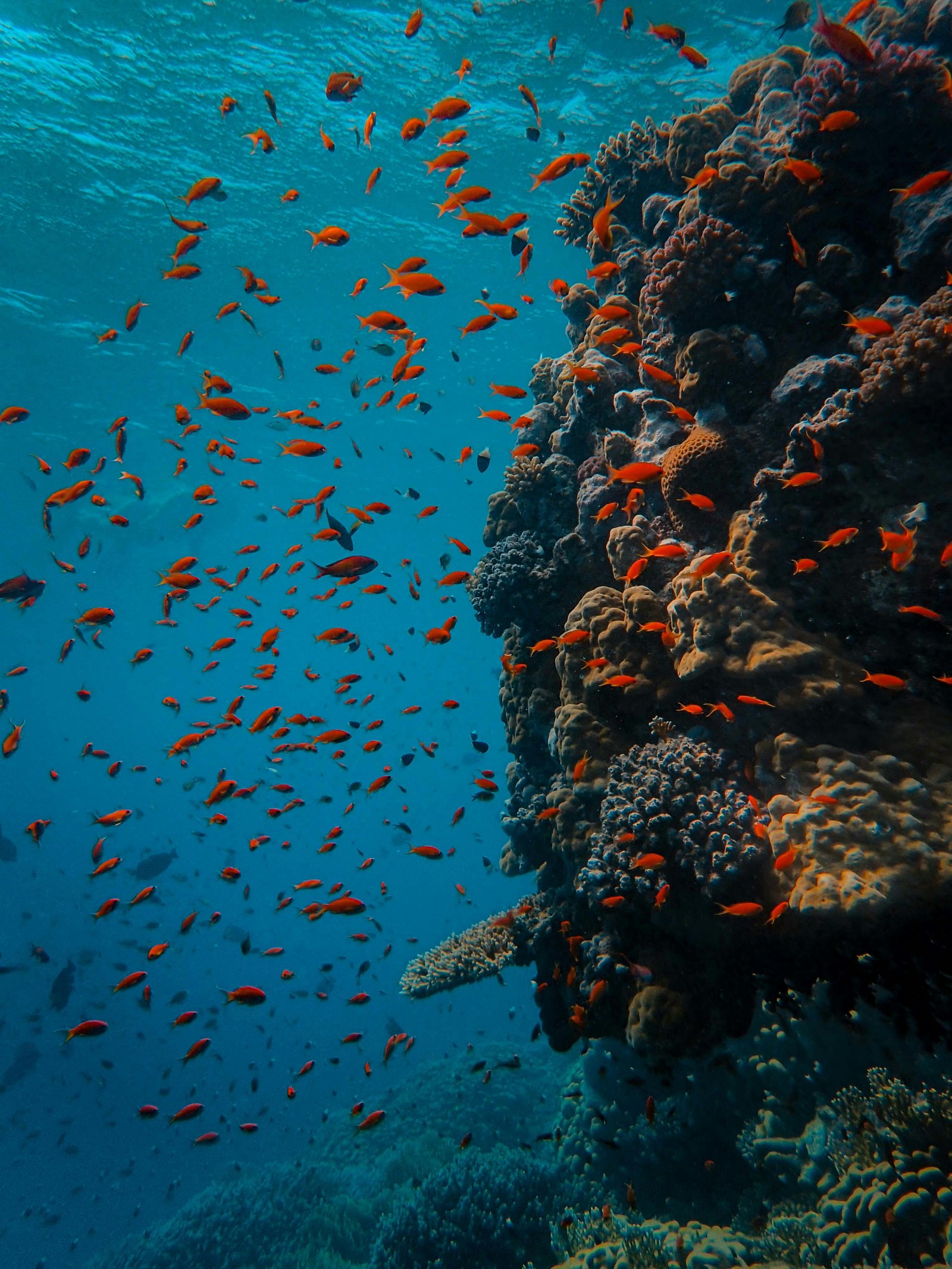
Urban redevelopment has become a hot topic in many African cities as they strive to modernize and accommodate the growing population. However, amidst the concrete jungles and bustling streets, there lies a natural world that often gets overlooked - the diverse range of animals and creatures that call these urban spaces home. In this article, we will explore the unique relationship between urban redevelopment and the wildlife of Africa. As cities expand and develop, natural habitats are often destroyed or disrupted, forcing many animals to adapt to urban environments. In Africa, this has led to the emergence of a new phenomenon - urban wildlife. From the iconic lions of Nairobi National Park to the cheeky vervet monkeys of Cape Town, these animals have found a way to coexist with humans in unexpected ways. One example of successful cohabitation can be seen in the city of Harare, Zimbabwe. The city is home to a thriving population of rock hyraxes, also known as dassies, that have adapted to live in the rocky outcrops and urban parks of the city. These small, furry creatures have become a beloved part of the urban landscape, serving as a reminder of the importance of preserving natural spaces within cities. However, the relationship between urban redevelopment and animals is not always harmonious. Rapid urbanization can lead to habitat loss, increased human-wildlife conflicts, and disruptions to ecosystems. In many African cities, efforts are being made to strike a balance between development and conservation to ensure the long-term sustainability of urban wildlife populations. One inspiring example of this is the work being done in Cape Town, South Africa, to protect the endangered African penguin population. As the city has grown, the natural habitats of these unique seabirds have been threatened. Conservationists and city planners have implemented measures such as building artificial nesting sites and creating protected marine areas to help these penguins thrive in their urban environment. In conclusion, the relationship between urban redevelopment and animals in Africa is complex and multifaceted. While development is necessary for the growth of cities, it is important to consider the impact it has on the natural world. By implementing sustainable practices and finding innovative solutions, we can ensure that both humans and wildlife can coexist in harmony in the urban environments of the future. For a different angle, consider what the following has to say. https://www.tsonga.org For an alternative viewpoint, explore https://www.tonigeria.com For additional information, refer to: https://www.tocongo.com For more information check: https://www.toalgeria.com Seeking in-depth analysis? The following is a must-read. https://www.savanne.org
https://especie.org
https://criatura.org
https://desencadenar.org
https://constructional.org
Leave a Comment:
SEARCH
Recent News
- Zurich, Switzerland is a vibrant city known for its stunning views, historic landmarks, and cultural events. One of the popular events that attract both locals and visitors alike is singing competitions.
- Zurich, Switzerland is not only known for its picturesque landscapes and vibrant culture but also for its diverse wildlife. While the city may be more commonly associated with its financial sector and luxury shopping, there are some rare and fascinating animals that call Zurich home.
- Hackathons have become a popular way for tech enthusiasts, developers, and innovators to come together and work on creative solutions to various challenges. Zurich, Switzerland, known for its thriving tech scene and innovation hub, has also seen a rise in hackathon competitions in recent years.
- Zurich, Switzerland, is a beautiful city known for its stunning architecture, picturesque landscapes, and rich cultural heritage. However, amidst all the beauty and sophistication, there is also a growing trend of keeping exotic pets in Zurich.
- In recent years, YouTube content creation has exploded in popularity, with creators from all walks of life sharing their talents, interests, and expertise with the world. One popular genre within the YouTube community is singing competitions, where aspiring musicians showcase their vocal abilities in hopes of gaining recognition and support from viewers.
- YouTube Content Creation: Showcasing Rare Animals through Translation
- YouTube Content Creation and Translation Hackathon Competitions
- Exotic pets have been gaining popularity among pet owners in recent years, and YouTube has become a popular platform for content creators to share their experiences with these unique animals. From colorful reptiles to unusual insects, there is no shortage of fascinating exotic pets to feature on YouTube channels.
READ MORE
10 months ago Category :

Zurich, Switzerland is a vibrant city known for its stunning views, historic landmarks, and cultural events. One of the popular events that attract both locals and visitors alike is singing competitions.
Read More →10 months ago Category :

Zurich, Switzerland is not only known for its picturesque landscapes and vibrant culture but also for its diverse wildlife. While the city may be more commonly associated with its financial sector and luxury shopping, there are some rare and fascinating animals that call Zurich home.
Read More →10 months ago Category :

Hackathons have become a popular way for tech enthusiasts, developers, and innovators to come together and work on creative solutions to various challenges. Zurich, Switzerland, known for its thriving tech scene and innovation hub, has also seen a rise in hackathon competitions in recent years.
Read More →10 months ago Category :
