The Future of Biofood Architecture for Animals and Creatures
Category : | Sub Category : Posted on 2024-10-05 22:25:23
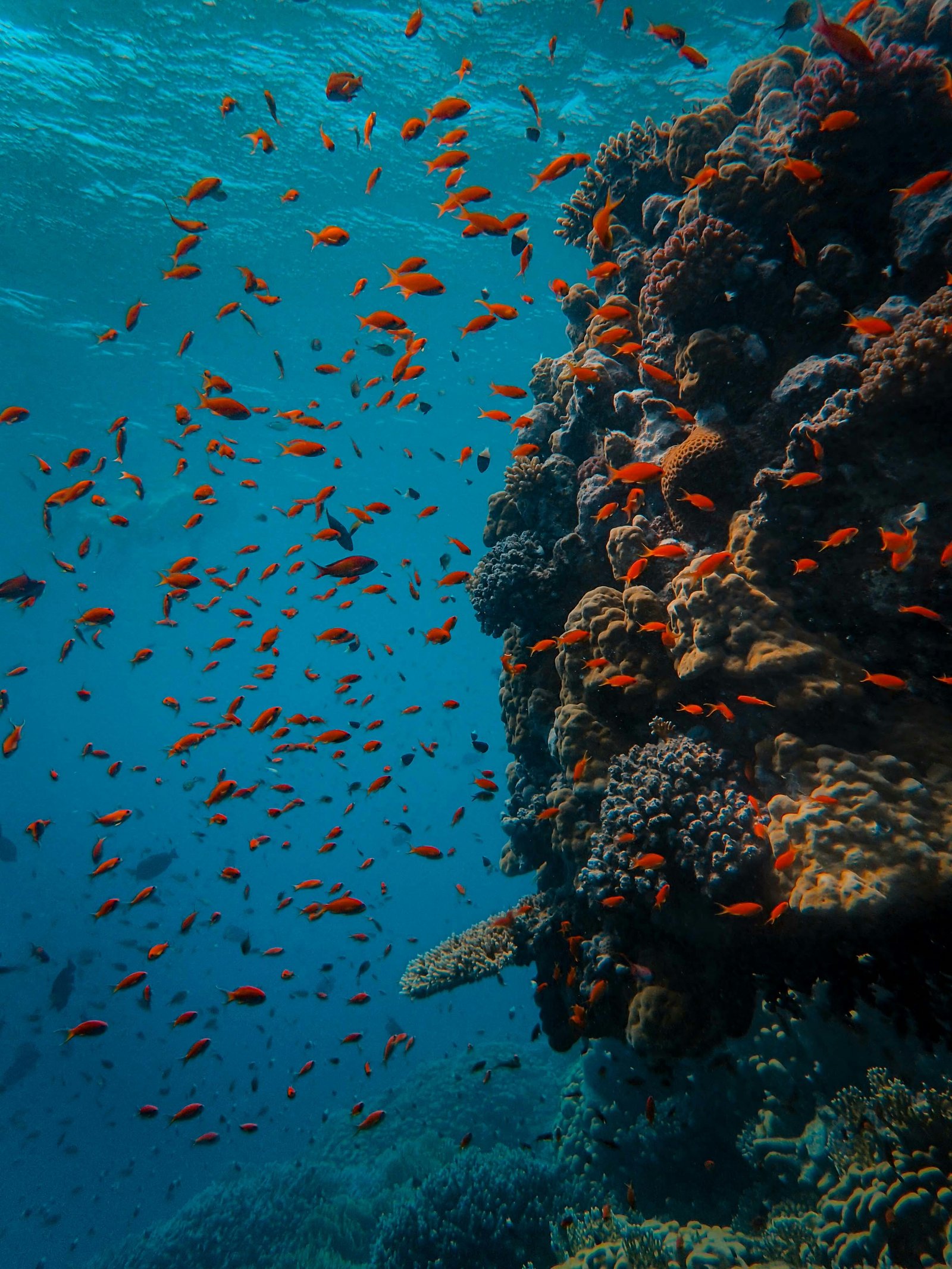
In the dynamic and ever-evolving world of sustainable architecture, Biofood architecture has emerged as a revolutionary concept that blends design innovation with ecological responsibility. While traditionally associated with human habitation, biofood architecture is now making waves in the realm of animal habitats and environments for various creatures. Biofood architecture for animals and creatures is a cutting-edge approach that integrates food production within the very structure of their living spaces. By incorporating elements such as vertical gardens, hydroponic systems, and aquaponics, these structures not only provide shelter but also cultivate a self-sustaining food source for the inhabitants. One of the key benefits of biofood architecture for animals and creatures is its ability to mimic natural ecosystems, offering a more enriching and stimulating environment for its inhabitants. For example, a multi-level insect hotel designed with integrated planters can serve as both a habitat for beneficial insects and a source of nourishment through the cultivation of plant species that attract these insects. Moreover, biofood architecture promotes biodiversity and helps to combat the loss of natural habitats by creating designated spaces that support a variety of plant and animal species. By encouraging the coexistence of different organisms within a carefully designed ecosystem, these structures become thriving hubs of life and activity. In addition to its environmental benefits, biofood architecture for animals and creatures also holds the potential to enhance the well-being and health of its inhabitants. For example, a biofood aviary designed with edible plants can provide birds with a diverse diet, enriching their nutritional intake and promoting their overall health. As we look towards the future of sustainable design, biofood architecture for animals and creatures represents a promising avenue for creating harmonious and regenerative environments. By intertwining food production with architectural innovation, we can cultivate spaces that not only meet the needs of their inhabitants but also contribute positively to the larger ecosystem. In conclusion, the integration of biofood architecture in the design of habitats for animals and creatures heralds a new era of sustainable living that embraces the interconnectedness of all living beings. By harnessing the power of design to nurture and sustain life, we can forge a more holistic and environmentally conscious approach to architecture that benefits both the inhabitants and the planet as a whole. Want a deeper understanding? https://www.bestindianfoods.com Explore this subject further by checking out https://www.deleci.com For a different take on this issue, see https://www.adriaticfood.com For expert commentary, delve into https://www.alienvegan.com Find expert opinions in https://www.childnut.com For a different angle, consider what the following has to say. https://www.cfruits.com Want to learn more? Start with: https://www.topinduction.com Take a deep dive into this topic by checking: https://www.foxysweet.com Get more at https://www.eatnaturals.com For a closer look, don't forget to read https://www.biofitnesslab.com Uncover valuable insights in https://www.swiss-cuisine.com For more info https://www.mimidate.com For a comprehensive overview, don't miss: https://www.huevo.org also for More in https://www.digestible.org Explore this subject further for a deeper understanding. https://www.vacas.net this link is for more information https://www.agriculturist.org Here is the following website to check: https://www.cheffy.org If you are interested you can check the following website https://www.loseweighton.com also visit the following website https://www.stomachs.org If you are enthusiast, check this out https://www.yemekleri.org For valuable insights, consult https://www.salting.org
https://especie.org
https://criatura.org
Leave a Comment:
SEARCH
Recent News
- Zurich, Switzerland is a vibrant city known for its stunning views, historic landmarks, and cultural events. One of the popular events that attract both locals and visitors alike is singing competitions.
- Zurich, Switzerland is not only known for its picturesque landscapes and vibrant culture but also for its diverse wildlife. While the city may be more commonly associated with its financial sector and luxury shopping, there are some rare and fascinating animals that call Zurich home.
- Hackathons have become a popular way for tech enthusiasts, developers, and innovators to come together and work on creative solutions to various challenges. Zurich, Switzerland, known for its thriving tech scene and innovation hub, has also seen a rise in hackathon competitions in recent years.
- Zurich, Switzerland, is a beautiful city known for its stunning architecture, picturesque landscapes, and rich cultural heritage. However, amidst all the beauty and sophistication, there is also a growing trend of keeping exotic pets in Zurich.
- In recent years, YouTube content creation has exploded in popularity, with creators from all walks of life sharing their talents, interests, and expertise with the world. One popular genre within the YouTube community is singing competitions, where aspiring musicians showcase their vocal abilities in hopes of gaining recognition and support from viewers.
- YouTube Content Creation: Showcasing Rare Animals through Translation
- YouTube Content Creation and Translation Hackathon Competitions
- Exotic pets have been gaining popularity among pet owners in recent years, and YouTube has become a popular platform for content creators to share their experiences with these unique animals. From colorful reptiles to unusual insects, there is no shortage of fascinating exotic pets to feature on YouTube channels.
READ MORE
10 months ago Category :

Zurich, Switzerland is a vibrant city known for its stunning views, historic landmarks, and cultural events. One of the popular events that attract both locals and visitors alike is singing competitions.
Read More →10 months ago Category :

Zurich, Switzerland is not only known for its picturesque landscapes and vibrant culture but also for its diverse wildlife. While the city may be more commonly associated with its financial sector and luxury shopping, there are some rare and fascinating animals that call Zurich home.
Read More →10 months ago Category :

Hackathons have become a popular way for tech enthusiasts, developers, and innovators to come together and work on creative solutions to various challenges. Zurich, Switzerland, known for its thriving tech scene and innovation hub, has also seen a rise in hackathon competitions in recent years.
Read More →10 months ago Category :
