Exploring the Colors of Animals and Creatures: A Self-Study Journey
Category : | Sub Category : Posted on 2024-10-05 22:25:23
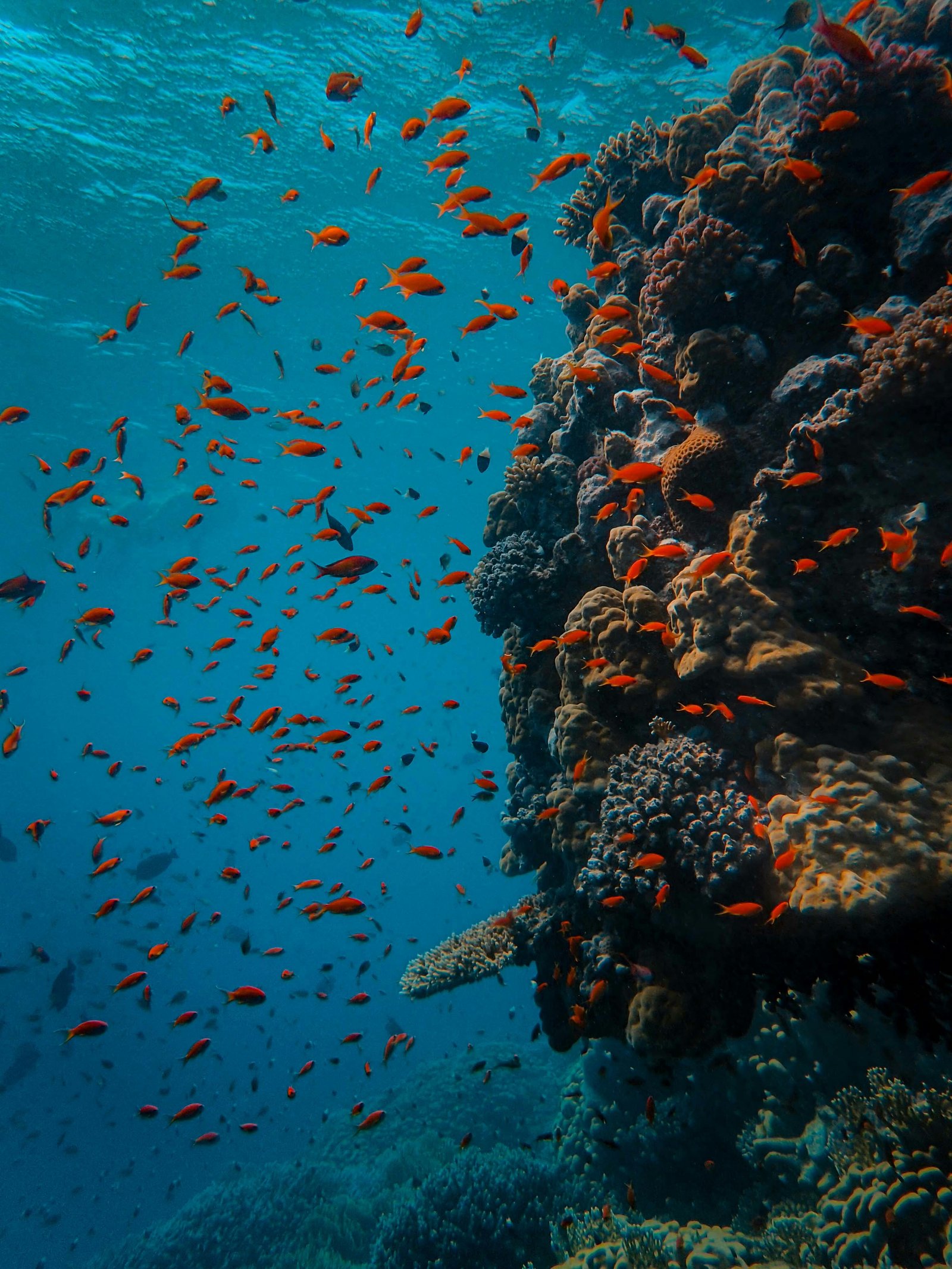
As nature enthusiasts, we are constantly mesmerized by the vibrant and diverse colors found in the animal kingdom. From the fiery red of a cardinal to the iridescent blue of a butterfly’s wings, the hues found in nature never fail to captivate us. In this blog post, we invite you to join us on a self-study journey exploring the colors of animals and creatures from around the world. **Why Are Animals and Creatures Colorful?** The colors exhibited by animals and creatures serve a variety of purposes, including camouflage, communication, attracting mates, and warning predators. Camouflage allows animals to blend into their surroundings, making them less visible to predators or unsuspecting prey. For example, the green hues of a leaf insect help it blend seamlessly with its leafy habitat, making it nearly invisible to predators. **The Science Behind Animal Colors** The colors of animals and creatures are produced through a combination of pigments, structural coloration, and iridescence. Pigments are molecules that absorb and reflect specific wavelengths of light, resulting in the visible colors we see. Structural coloration, on the other hand, is produced by microscopic structures that interact with light to create vibrant hues without the use of pigments. Iridescence is a phenomenon where colors appear to change depending on the viewing angle due to the structure of the surface. **Exploring a Rainbow of Colors** Let's embark on a journey through the rainbow of colors found in the animal kingdom: - Red: The color red is often associated with passion and energy in humans. In the natural world, red can signal danger, as seen in the bright red markings of poisonous frogs or the flushed cheeks of a baboon in heat. - Blue: Blue is a rare color in nature, making it all the more striking when it appears. From the azure wings of a Morpho butterfly to the deep indigo of a peacock's plumage, blue hues in the animal kingdom are truly breathtaking. - Green: Green is a ubiquitous color in nature, found in lush forests, verdant meadows, and the camouflage of many animals. Green hues help animals blend seamlessly with their leafy surroundings, offering them protection from predators. - Yellow: The color yellow is often associated with warmth and sunshine. In the natural world, yellow hues can be seen in the vibrant feathers of canaries, the dazzling scales of a golden poison frog, and the stripes of a playful bee. - Orange: Orange is a vibrant and energetic color that demands attention. It can be found in the fiery fur of an orangutan, the striped patterns of a tiger, and the dazzling wings of tropical birds like the cockatoo. **Conclusion** As we immerse ourselves in the kaleidoscope of colors found in the animal kingdom, we gain a deeper appreciation for the beauty and diversity of nature. Through our self-study journey, we not only marvel at the stunning hues of animals and creatures but also gain insights into the evolutionary significance of coloration in the natural world. Join us in embracing the wonder of nature's colors and let them inspire and uplift us in our own lives. Seeking answers? You might find them in https://www.sfog.org also don't miss more information at https://www.desencadenar.com
https://especie.org
https://criatura.org
Leave a Comment:
SEARCH
Recent News
- Zurich, Switzerland is a vibrant city known for its stunning views, historic landmarks, and cultural events. One of the popular events that attract both locals and visitors alike is singing competitions.
- Zurich, Switzerland is not only known for its picturesque landscapes and vibrant culture but also for its diverse wildlife. While the city may be more commonly associated with its financial sector and luxury shopping, there are some rare and fascinating animals that call Zurich home.
- Hackathons have become a popular way for tech enthusiasts, developers, and innovators to come together and work on creative solutions to various challenges. Zurich, Switzerland, known for its thriving tech scene and innovation hub, has also seen a rise in hackathon competitions in recent years.
- Zurich, Switzerland, is a beautiful city known for its stunning architecture, picturesque landscapes, and rich cultural heritage. However, amidst all the beauty and sophistication, there is also a growing trend of keeping exotic pets in Zurich.
- In recent years, YouTube content creation has exploded in popularity, with creators from all walks of life sharing their talents, interests, and expertise with the world. One popular genre within the YouTube community is singing competitions, where aspiring musicians showcase their vocal abilities in hopes of gaining recognition and support from viewers.
- YouTube Content Creation: Showcasing Rare Animals through Translation
- YouTube Content Creation and Translation Hackathon Competitions
- Exotic pets have been gaining popularity among pet owners in recent years, and YouTube has become a popular platform for content creators to share their experiences with these unique animals. From colorful reptiles to unusual insects, there is no shortage of fascinating exotic pets to feature on YouTube channels.
READ MORE
10 months ago Category :

Zurich, Switzerland is a vibrant city known for its stunning views, historic landmarks, and cultural events. One of the popular events that attract both locals and visitors alike is singing competitions.
Read More →10 months ago Category :

Zurich, Switzerland is not only known for its picturesque landscapes and vibrant culture but also for its diverse wildlife. While the city may be more commonly associated with its financial sector and luxury shopping, there are some rare and fascinating animals that call Zurich home.
Read More →10 months ago Category :

Hackathons have become a popular way for tech enthusiasts, developers, and innovators to come together and work on creative solutions to various challenges. Zurich, Switzerland, known for its thriving tech scene and innovation hub, has also seen a rise in hackathon competitions in recent years.
Read More →10 months ago Category :
