The Wild World of Animal Debt: Understanding Contradictions and Loans in the Animal Kingdom
Category : | Sub Category : Posted on 2024-10-05 22:25:23
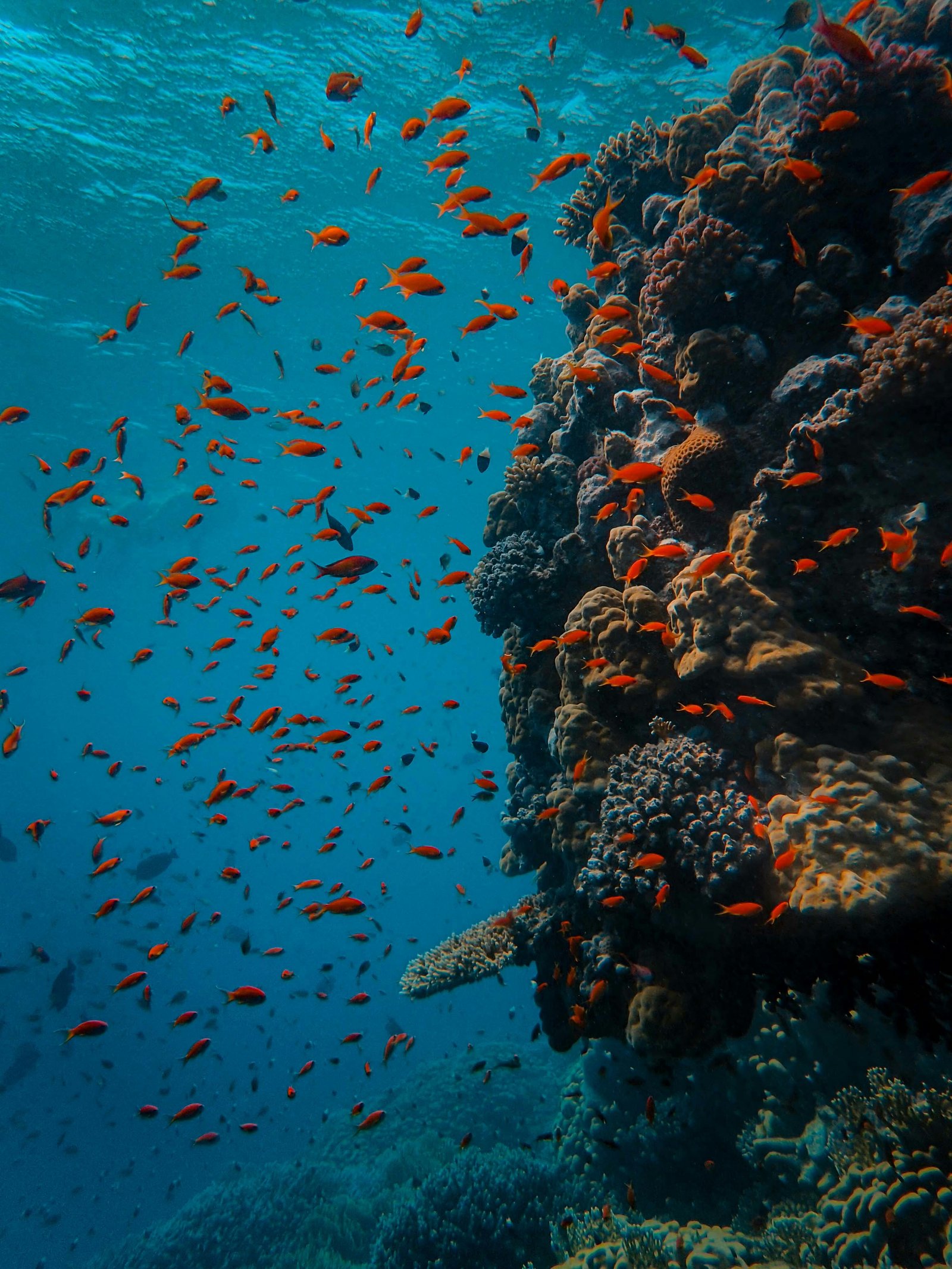
Introduction: When we think of animals and creatures, we often associate them with the wild, untamed aspects of nature. However, did you know that even in the animal kingdom, there are instances of debt and loans? In this blog post, we will explore the fascinating world of animal contradictions and how some species exhibit behaviors reminiscent of financial transactions. The Concept of Debt in the Animal Kingdom: While the idea of animals accumulating debt may sound strange, there are instances where certain species engage in behaviors that resemble borrowing and owing. For example, some species of primates have been observed engaging in reciprocal grooming, where individuals groom each other as a form of social bonding. In some cases, an individual may "owe" grooming sessions to another, creating a sense of debt within the group. Similarly, certain bird species exhibit cooperative breeding behavior, where non-breeding individuals help raise the offspring of others in exchange for future assistance in breeding. This mutualistic arrangement can be seen as a form of debt, where favors are exchanged and repaid over time. Contradictions in Animal Behavior: Animals are known for their diverse and sometimes contradictory behaviors. For instance, the cuttlefish, a master of camouflage, can swiftly change its appearance to blend in with its surroundings to evade predators. This ability to adapt and blend in is a contradiction to its vulnerable nature as a prey animal. Another example of contradictions in animal behavior can be seen in the behavior of certain male spiders that offer themselves as a meal to their female counterparts after mating. While this behavior may seem counterintuitive, it is a sacrifice that ensures the survival of the offspring, highlighting the complexity of animal interactions. The Role of Loans in the Animal Kingdom: In addition to debt-like behaviors, some animals exhibit characteristics of loans in their interactions. For example, vampire bats have been observed engaging in reciprocal food-sharing, where individuals that have had a successful hunt regurgitate blood to feed less fortunate colony members. This form of loaning food helps ensure the survival of the entire colony, as individuals can rely on each other during times of scarcity. Similarly, meerkats exhibit cooperative behaviors within their groups, where individuals take turns standing guard to watch for predators while the others forage for food. This system of rotating roles can be seen as a form of loaning time and effort to benefit the entire group. Conclusion: The world of animals and creatures is full of wonders and surprises, including instances of debt, contradictions, and loans in their behaviors. By studying these fascinating interactions, we gain a deeper understanding of the complexities of the natural world and the diverse ways in which animals navigate their social and ecological environments. Next time you observe wildlife, take a moment to appreciate the intricate web of relationships and transactions that exist in the animal kingdom.
https://especie.org
https://criatura.org
Leave a Comment:
SEARCH
Recent News
- Zurich, Switzerland is a vibrant city known for its stunning views, historic landmarks, and cultural events. One of the popular events that attract both locals and visitors alike is singing competitions.
- Zurich, Switzerland is not only known for its picturesque landscapes and vibrant culture but also for its diverse wildlife. While the city may be more commonly associated with its financial sector and luxury shopping, there are some rare and fascinating animals that call Zurich home.
- Hackathons have become a popular way for tech enthusiasts, developers, and innovators to come together and work on creative solutions to various challenges. Zurich, Switzerland, known for its thriving tech scene and innovation hub, has also seen a rise in hackathon competitions in recent years.
- Zurich, Switzerland, is a beautiful city known for its stunning architecture, picturesque landscapes, and rich cultural heritage. However, amidst all the beauty and sophistication, there is also a growing trend of keeping exotic pets in Zurich.
- In recent years, YouTube content creation has exploded in popularity, with creators from all walks of life sharing their talents, interests, and expertise with the world. One popular genre within the YouTube community is singing competitions, where aspiring musicians showcase their vocal abilities in hopes of gaining recognition and support from viewers.
- YouTube Content Creation: Showcasing Rare Animals through Translation
- YouTube Content Creation and Translation Hackathon Competitions
- Exotic pets have been gaining popularity among pet owners in recent years, and YouTube has become a popular platform for content creators to share their experiences with these unique animals. From colorful reptiles to unusual insects, there is no shortage of fascinating exotic pets to feature on YouTube channels.
READ MORE
11 months ago Category :

Zurich, Switzerland is a vibrant city known for its stunning views, historic landmarks, and cultural events. One of the popular events that attract both locals and visitors alike is singing competitions.
Read More →11 months ago Category :

Zurich, Switzerland is not only known for its picturesque landscapes and vibrant culture but also for its diverse wildlife. While the city may be more commonly associated with its financial sector and luxury shopping, there are some rare and fascinating animals that call Zurich home.
Read More →11 months ago Category :

Hackathons have become a popular way for tech enthusiasts, developers, and innovators to come together and work on creative solutions to various challenges. Zurich, Switzerland, known for its thriving tech scene and innovation hub, has also seen a rise in hackathon competitions in recent years.
Read More →11 months ago Category :
