**Exploring the Contradictions of Animals and Creatures in Nigeria**
Category : | Sub Category : Posted on 2024-10-05 22:25:23
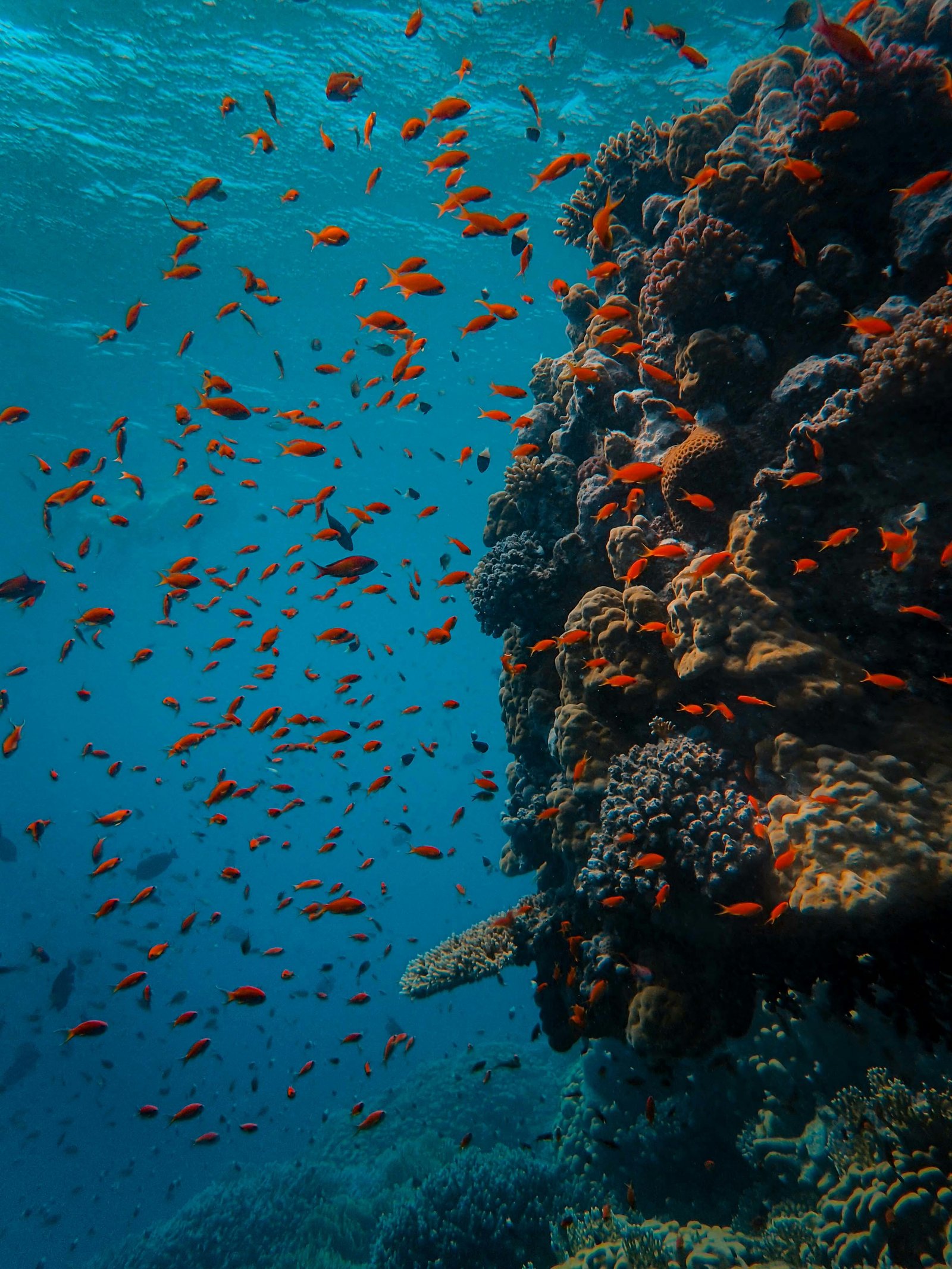
Nigeria is a country rich in biodiversity, boasting a wide array of animals and creatures that inhabit its diverse landscapes. From lush rainforests to expansive savannahs, Nigeria is home to a variety of wildlife that both amazes and intrigues visitors and locals alike. However, amidst the beauty and wonder of Nigeria's animal kingdom, there are also contradictions that exist, shedding light on the complex relationship between humans and wildlife in this vibrant nation. One of the most striking contradictions in Nigeria's animal kingdom is the juxtaposition of conservation efforts and the exploitation of wildlife. On one hand, there are numerous conservation organizations and initiatives working tirelessly to protect and preserve the country's endangered species, such as the African elephant and the Cross River gorilla. These efforts are crucial in safeguarding Nigeria's rich biodiversity for future generations to enjoy. On the other hand, the illegal wildlife trade continues to thrive in Nigeria, posing a significant threat to many species. Animals such as pangolins, primates, and exotic birds are often captured and trafficked for their skins, meat, or body parts, fueling a lucrative black market industry. This contradiction highlights the challenges faced in balancing the economic interests of poachers and traffickers with the imperative to protect Nigeria's wildlife. Another contradiction in Nigeria's animal kingdom is the coexistence of traditional beliefs and modern conservation practices. Many indigenous communities in Nigeria have age-old customs and taboos that govern their interactions with wildlife, often imbuing certain species with sacred or symbolic significance. These beliefs have helped to preserve certain ecosystems and protect wildlife from overexploitation. However, as Nigeria modernizes and urbanizes, traditional customs and beliefs are at risk of being eroded, leading to a disconnect between people and the natural world around them. This disconnect can have detrimental effects on conservation efforts, as communities may no longer feel motivated to protect wildlife if their traditional beliefs are no longer upheld. Despite these contradictions, there is hope for a harmonious relationship between humans and wildlife in Nigeria. By promoting education and awareness about the importance of conservation, and by fostering sustainable practices that benefit both people and wildlife, Nigeria can work towards resolving the conflicts that exist within its animal kingdom. Through collaboration and cooperation, Nigeria can strive to protect its biodiversity for future generations to enjoy and cherish. In conclusion, the contradictions of animals and creatures in Nigeria serve as a reminder of the intricate and complex relationship between humans and wildlife. By addressing these contradictions and working towards a more balanced and sustainable approach to conservation, Nigeria can ensure the continued survival and prosperity of its diverse array of animal species.
https://especie.org
https://criatura.org
Leave a Comment:
SEARCH
Recent News
- Zurich, Switzerland is a vibrant city known for its stunning views, historic landmarks, and cultural events. One of the popular events that attract both locals and visitors alike is singing competitions.
- Zurich, Switzerland is not only known for its picturesque landscapes and vibrant culture but also for its diverse wildlife. While the city may be more commonly associated with its financial sector and luxury shopping, there are some rare and fascinating animals that call Zurich home.
- Hackathons have become a popular way for tech enthusiasts, developers, and innovators to come together and work on creative solutions to various challenges. Zurich, Switzerland, known for its thriving tech scene and innovation hub, has also seen a rise in hackathon competitions in recent years.
- Zurich, Switzerland, is a beautiful city known for its stunning architecture, picturesque landscapes, and rich cultural heritage. However, amidst all the beauty and sophistication, there is also a growing trend of keeping exotic pets in Zurich.
- In recent years, YouTube content creation has exploded in popularity, with creators from all walks of life sharing their talents, interests, and expertise with the world. One popular genre within the YouTube community is singing competitions, where aspiring musicians showcase their vocal abilities in hopes of gaining recognition and support from viewers.
- YouTube Content Creation: Showcasing Rare Animals through Translation
- YouTube Content Creation and Translation Hackathon Competitions
- Exotic pets have been gaining popularity among pet owners in recent years, and YouTube has become a popular platform for content creators to share their experiences with these unique animals. From colorful reptiles to unusual insects, there is no shortage of fascinating exotic pets to feature on YouTube channels.
READ MORE
11 months ago Category :

Zurich, Switzerland is a vibrant city known for its stunning views, historic landmarks, and cultural events. One of the popular events that attract both locals and visitors alike is singing competitions.
Read More →11 months ago Category :

Zurich, Switzerland is not only known for its picturesque landscapes and vibrant culture but also for its diverse wildlife. While the city may be more commonly associated with its financial sector and luxury shopping, there are some rare and fascinating animals that call Zurich home.
Read More →11 months ago Category :

Hackathons have become a popular way for tech enthusiasts, developers, and innovators to come together and work on creative solutions to various challenges. Zurich, Switzerland, known for its thriving tech scene and innovation hub, has also seen a rise in hackathon competitions in recent years.
Read More →11 months ago Category :
