The Impact of Drones on Animals and Creatures: Addressing Concerns and Complaints
Category : | Sub Category : Posted on 2024-10-05 22:25:23
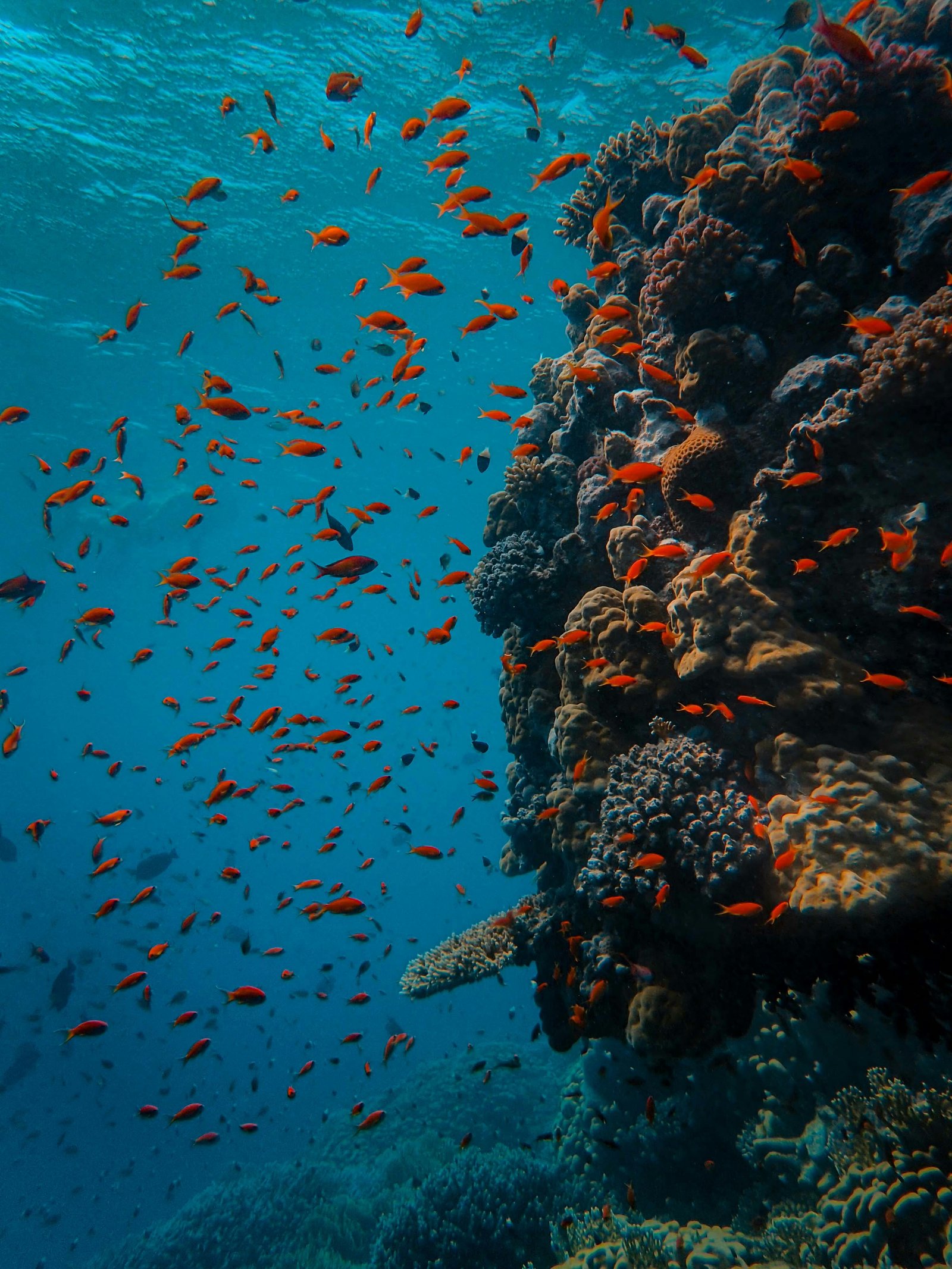
In recent years, the use of drones has become increasingly prevalent in various industries and recreational activities. While drones offer numerous benefits, such as efficient data collection, surveillance, and entertainment, their presence can also have negative impacts on animals and creatures in their habitats. As a result, concerns and complaints regarding the use of drones in relation to wildlife have been raised by conservationists and animal welfare organizations. One of the main concerns associated with drones is their potential to disturb and stress out animals in their natural habitats. The loud buzzing noise and sudden appearance of drones can startle and cause anxiety to wildlife, leading to disrupted feeding patterns, nesting behaviors, and overall well-being. This disturbance can be particularly harmful during sensitive times, such as breeding seasons or when animals are caring for their young. Furthermore, drones flying too close to animals can result in physical harm or interference with their natural behaviors. For example, predatory birds may abandon their nests if they feel threatened by drones, leading to the abandonment of eggs or chicks. Marine animals, such as sea turtles or seals, can be scared away from their resting places on beaches, impacting their reproductive success and survival rates. Another significant issue is the intrusion of drones into protected areas or restricted zones, where certain species are particularly vulnerable or endangered. Flying drones in these areas can disrupt conservation efforts, research studies, and breeding programs, putting the welfare of already at-risk animals at further jeopardy. To address these concerns and complaints, it is essential for drone operators to follow responsible guidelines and regulations when operating drones near wildlife habitats. Some key practices to minimize harm to animals include maintaining a safe distance, flying quietly, and avoiding flying over sensitive areas or during critical times for wildlife. Additionally, education and awareness campaigns can help raise awareness about the impacts of drones on animals and encourage responsible drone operation around wildlife. In conclusion, while drones offer valuable technological advancements and benefits across various sectors, it is crucial to consider their impact on animals and creatures in their natural environments. By understanding and addressing the concerns and complaints related to drones and wildlife, we can strive towards achieving a harmonious coexistence between technology and nature. By raising awareness, promoting responsible drone operation, and respecting the habitats of our fellow creatures, we can work towards creating a world where drones and wildlife can peacefully share the skies and thrive together.
https://especie.org
https://criatura.org
Leave a Comment:
SEARCH
Recent News
- Zurich, Switzerland is a vibrant city known for its stunning views, historic landmarks, and cultural events. One of the popular events that attract both locals and visitors alike is singing competitions.
- Zurich, Switzerland is not only known for its picturesque landscapes and vibrant culture but also for its diverse wildlife. While the city may be more commonly associated with its financial sector and luxury shopping, there are some rare and fascinating animals that call Zurich home.
- Hackathons have become a popular way for tech enthusiasts, developers, and innovators to come together and work on creative solutions to various challenges. Zurich, Switzerland, known for its thriving tech scene and innovation hub, has also seen a rise in hackathon competitions in recent years.
- Zurich, Switzerland, is a beautiful city known for its stunning architecture, picturesque landscapes, and rich cultural heritage. However, amidst all the beauty and sophistication, there is also a growing trend of keeping exotic pets in Zurich.
- In recent years, YouTube content creation has exploded in popularity, with creators from all walks of life sharing their talents, interests, and expertise with the world. One popular genre within the YouTube community is singing competitions, where aspiring musicians showcase their vocal abilities in hopes of gaining recognition and support from viewers.
- YouTube Content Creation: Showcasing Rare Animals through Translation
- YouTube Content Creation and Translation Hackathon Competitions
- Exotic pets have been gaining popularity among pet owners in recent years, and YouTube has become a popular platform for content creators to share their experiences with these unique animals. From colorful reptiles to unusual insects, there is no shortage of fascinating exotic pets to feature on YouTube channels.
READ MORE
11 months ago Category :

Zurich, Switzerland is a vibrant city known for its stunning views, historic landmarks, and cultural events. One of the popular events that attract both locals and visitors alike is singing competitions.
Read More →11 months ago Category :

Zurich, Switzerland is not only known for its picturesque landscapes and vibrant culture but also for its diverse wildlife. While the city may be more commonly associated with its financial sector and luxury shopping, there are some rare and fascinating animals that call Zurich home.
Read More →11 months ago Category :

Hackathons have become a popular way for tech enthusiasts, developers, and innovators to come together and work on creative solutions to various challenges. Zurich, Switzerland, known for its thriving tech scene and innovation hub, has also seen a rise in hackathon competitions in recent years.
Read More →11 months ago Category :
