Unveiling the Use of Drones to Protect Animals and Creatures in New Zealand
Category : | Sub Category : Posted on 2024-10-05 22:25:23
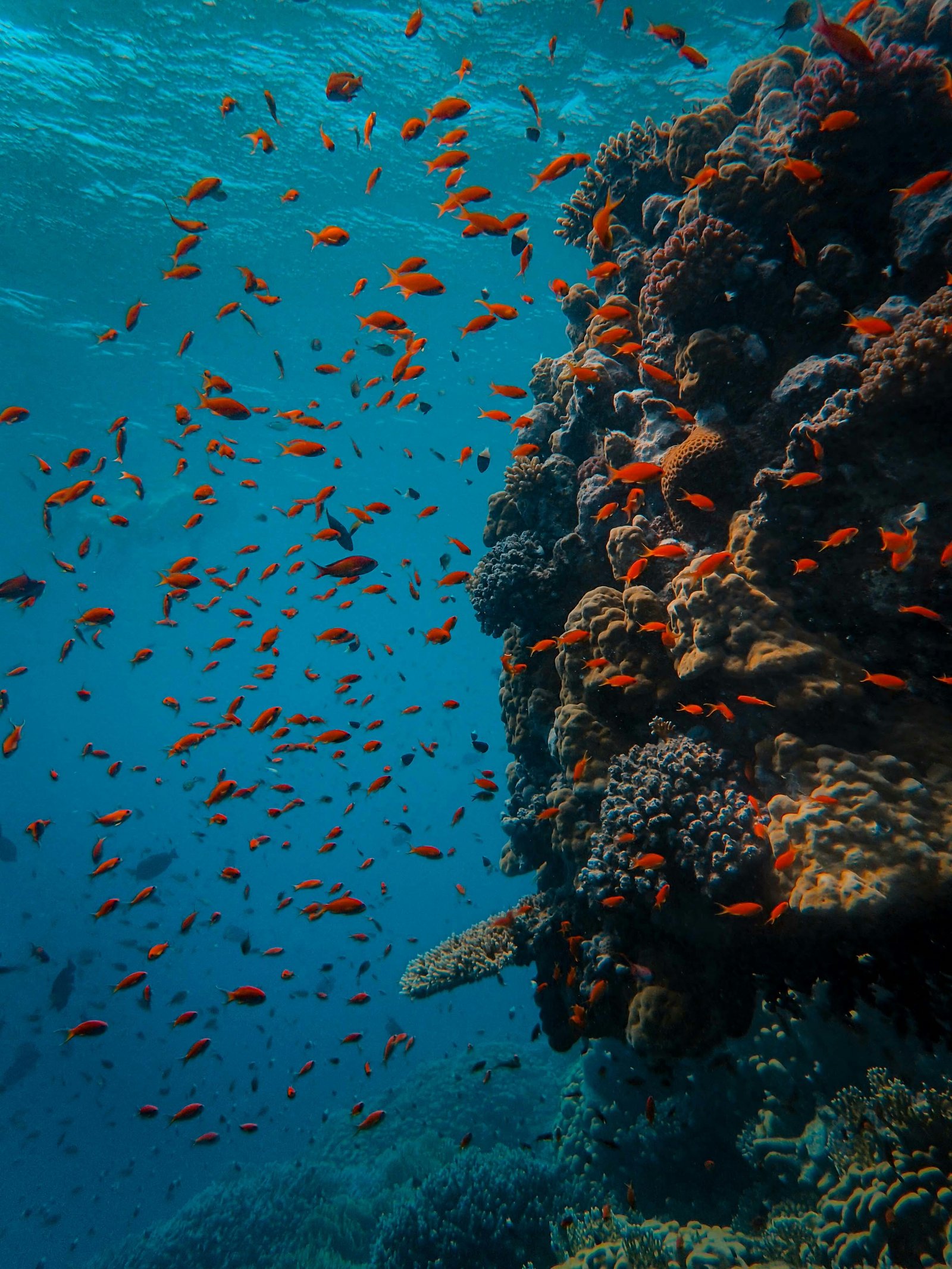
drones have become an integral part of conservation efforts worldwide, and New Zealand is no exception. The stunning landscapes and diverse ecosystems of New Zealand are home to a wide variety of unique animals and creatures, many of which are endangered or at risk due to human activities and environmental changes. In recent years, drones have been employed in innovative ways to monitor, protect, and study these vulnerable species in the island nation. One of the key advantages of using drones in conservation is their ability to access remote and hard-to-reach areas that are difficult or dangerous for humans to traverse. In New Zealand, this capability has been leveraged to great effect in monitoring populations of endangered birds such as the kiwi and kakapo. Researchers and conservationists use drones equipped with high-resolution cameras to conduct aerial surveys and track the movements of these elusive birds without disturbing their habitats. Drones have also been instrumental in combatting threats to New Zealand's native species, such as invasive predators like rats, stoats, and possums. Conservation groups employ drones for pest control purposes, delivering baits and monitoring traps in rugged terrain where traditional methods are less effective. By targeting these invasive species more efficiently, drones help to protect the native flora and fauna of New Zealand from predation and competition. Moreover, drones are being utilized in scientific research to study animal behavior, population dynamics, and habitat use in a non-invasive manner. In marine environments, drones equipped with hydrophones and cameras are used to monitor whales, dolphins, and other marine mammals without disturbing them. This technology has provided valuable insights into the behavior and movements of these animals, helping researchers to better understand and protect them. In addition to monitoring and research, drones are also used for conservation outreach and education in New Zealand. Conservation organizations often use drone footage and imagery to raise awareness about the importance of protecting the country's unique wildlife and habitats. By showcasing the beauty and biodiversity of New Zealand from a bird's-eye view, drones help to engage and inspire the public to take action to safeguard their natural heritage. As technology continues to advance, the role of drones in conservation efforts in New Zealand will likely expand further. From tracking endangered species to managing invasive threats and conducting research, drones offer a versatile and effective tool for protecting the country's precious animals and creatures. By harnessing the power of this technology, New Zealand is forging a path towards a more sustainable and wildlife-friendly future.
https://especie.org
https://criatura.org
Leave a Comment:
SEARCH
Recent News
- Zurich, Switzerland is a vibrant city known for its stunning views, historic landmarks, and cultural events. One of the popular events that attract both locals and visitors alike is singing competitions.
- Zurich, Switzerland is not only known for its picturesque landscapes and vibrant culture but also for its diverse wildlife. While the city may be more commonly associated with its financial sector and luxury shopping, there are some rare and fascinating animals that call Zurich home.
- Hackathons have become a popular way for tech enthusiasts, developers, and innovators to come together and work on creative solutions to various challenges. Zurich, Switzerland, known for its thriving tech scene and innovation hub, has also seen a rise in hackathon competitions in recent years.
- Zurich, Switzerland, is a beautiful city known for its stunning architecture, picturesque landscapes, and rich cultural heritage. However, amidst all the beauty and sophistication, there is also a growing trend of keeping exotic pets in Zurich.
- In recent years, YouTube content creation has exploded in popularity, with creators from all walks of life sharing their talents, interests, and expertise with the world. One popular genre within the YouTube community is singing competitions, where aspiring musicians showcase their vocal abilities in hopes of gaining recognition and support from viewers.
- YouTube Content Creation: Showcasing Rare Animals through Translation
- YouTube Content Creation and Translation Hackathon Competitions
- Exotic pets have been gaining popularity among pet owners in recent years, and YouTube has become a popular platform for content creators to share their experiences with these unique animals. From colorful reptiles to unusual insects, there is no shortage of fascinating exotic pets to feature on YouTube channels.
READ MORE
11 months ago Category :

Zurich, Switzerland is a vibrant city known for its stunning views, historic landmarks, and cultural events. One of the popular events that attract both locals and visitors alike is singing competitions.
Read More →11 months ago Category :

Zurich, Switzerland is not only known for its picturesque landscapes and vibrant culture but also for its diverse wildlife. While the city may be more commonly associated with its financial sector and luxury shopping, there are some rare and fascinating animals that call Zurich home.
Read More →11 months ago Category :

Hackathons have become a popular way for tech enthusiasts, developers, and innovators to come together and work on creative solutions to various challenges. Zurich, Switzerland, known for its thriving tech scene and innovation hub, has also seen a rise in hackathon competitions in recent years.
Read More →11 months ago Category :
