Urban Redevelopment in Dubai and Abu Dhabi: Creating Spaces for Animals and Creatures
Category : | Sub Category : Posted on 2024-10-05 22:25:23
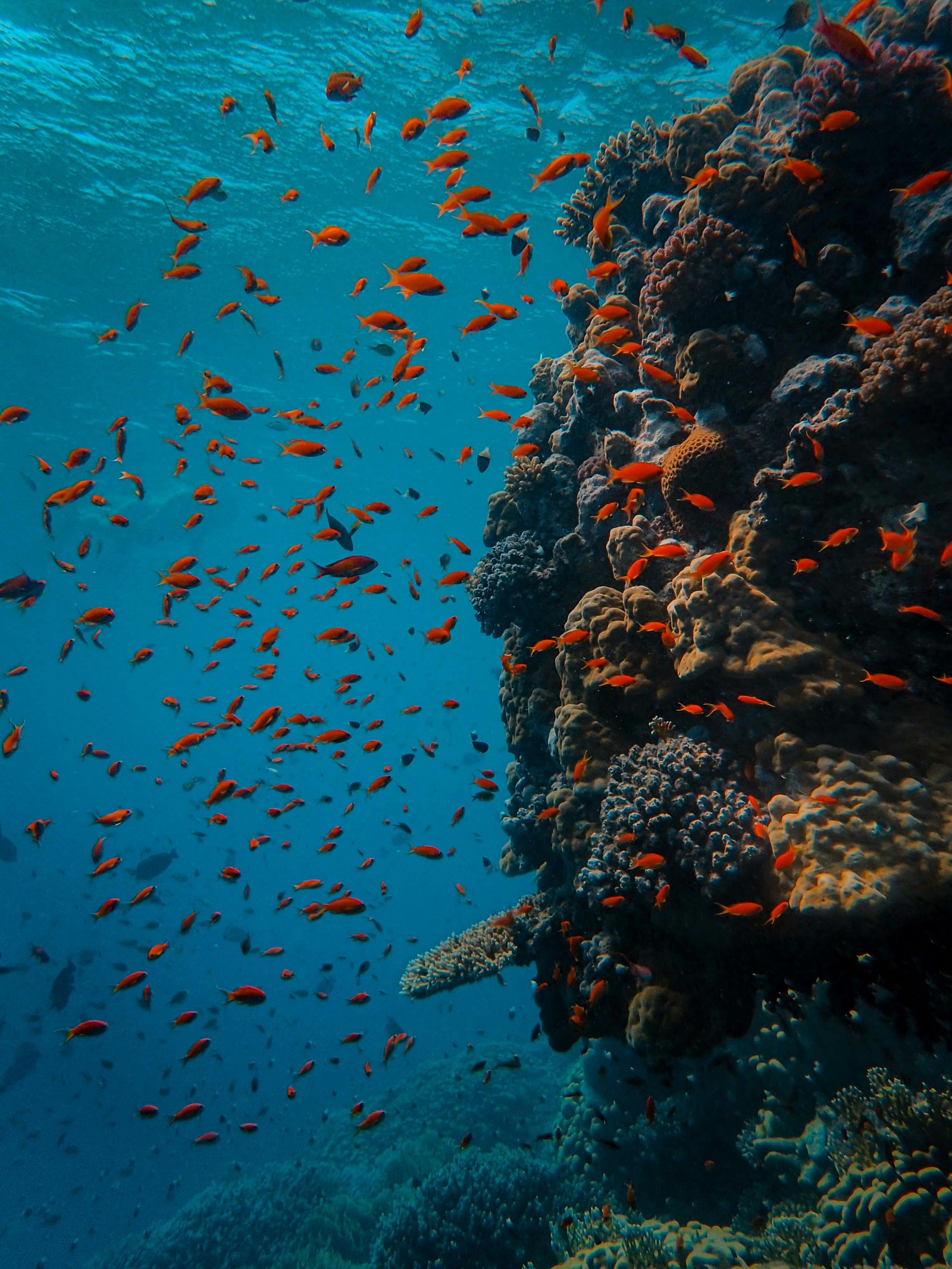
In recent years, the cities of Dubai and Abu Dhabi have undergone significant urban redevelopment to transform their built environments into modern and sustainable spaces. While much of the focus has been on creating cutting-edge architecture and world-class amenities for human residents and visitors, there is also a growing emphasis on preserving and enhancing habitats for animals and creatures that call these cities home. Urban expansion can have negative impacts on local wildlife, leading to habitat destruction, pollution, and fragmentation. Recognizing these challenges, urban planners and developers in Dubai and Abu Dhabi are incorporating innovative design strategies to coexist harmoniously with nature. From green corridors to wildlife crossings, here are some initiatives aimed at creating spaces for animals and creatures in the urban landscape: 1. Green Spaces and Parks: Both Dubai and Abu Dhabi have been investing in creating more green spaces and parks within the city limits. These areas not only provide recreational opportunities for residents but also serve as important habitats for birds, insects, and small mammals. By integrating native plant species and natural elements, these green spaces can attract a diverse range of wildlife. 2. Wildlife Crossings: To mitigate the impact of roads and highways on wildlife populations, wildlife crossings are being implemented in strategic locations across Dubai and Abu Dhabi. These specialized structures, such as overpasses and underpasses, allow animals to safely cross busy roads, reducing the risk of collisions and habitat fragmentation. 3. Biodiversity Conservation: Efforts to protect and conserve local biodiversity are also gaining momentum in both cities. This includes preserving natural habitats, creating wildlife sanctuaries, and raising awareness about the importance of ecological balance. By engaging with experts and stakeholders, Dubai and Abu Dhabi are working towards safeguarding the rich diversity of animal and plant species in the region. 4. Sustainable Development Practices: In line with global sustainability goals, urban redevelopment projects in Dubai and Abu Dhabi are increasingly adopting environmentally friendly practices. From LEED-certified buildings to energy-efficient infrastructure, these initiatives aim to minimize the ecological footprint of urban development while enhancing the quality of life for all inhabitants, human and non-human alike. 5. Community Engagement: Building a sense of environmental stewardship among residents is crucial for the long-term success of urban redevelopment efforts. Through educational programs, volunteer opportunities, and public initiatives, Dubai and Abu Dhabi are empowering communities to take an active role in promoting cohabitation with local wildlife and preserving natural habitats. In conclusion, urban redevelopment in Dubai and Abu Dhabi is not just about skyscrapers and megamalls—it is also about creating inclusive spaces for animals and creatures to thrive. By integrating nature-friendly design principles and conservation strategies into urban planning, these cities are setting a positive example for sustainable development in the region. Together, we can build cities that are not only modern and innovative but also harmonious with the natural world around us.
https://especie.org
https://criatura.org
https://desencadenar.org
https://constructional.org
Leave a Comment:
SEARCH
Recent News
- Zurich, Switzerland is a vibrant city known for its stunning views, historic landmarks, and cultural events. One of the popular events that attract both locals and visitors alike is singing competitions.
- Zurich, Switzerland is not only known for its picturesque landscapes and vibrant culture but also for its diverse wildlife. While the city may be more commonly associated with its financial sector and luxury shopping, there are some rare and fascinating animals that call Zurich home.
- Hackathons have become a popular way for tech enthusiasts, developers, and innovators to come together and work on creative solutions to various challenges. Zurich, Switzerland, known for its thriving tech scene and innovation hub, has also seen a rise in hackathon competitions in recent years.
- Zurich, Switzerland, is a beautiful city known for its stunning architecture, picturesque landscapes, and rich cultural heritage. However, amidst all the beauty and sophistication, there is also a growing trend of keeping exotic pets in Zurich.
- In recent years, YouTube content creation has exploded in popularity, with creators from all walks of life sharing their talents, interests, and expertise with the world. One popular genre within the YouTube community is singing competitions, where aspiring musicians showcase their vocal abilities in hopes of gaining recognition and support from viewers.
- YouTube Content Creation: Showcasing Rare Animals through Translation
- YouTube Content Creation and Translation Hackathon Competitions
- Exotic pets have been gaining popularity among pet owners in recent years, and YouTube has become a popular platform for content creators to share their experiences with these unique animals. From colorful reptiles to unusual insects, there is no shortage of fascinating exotic pets to feature on YouTube channels.
READ MORE
11 months ago Category :

Zurich, Switzerland is a vibrant city known for its stunning views, historic landmarks, and cultural events. One of the popular events that attract both locals and visitors alike is singing competitions.
Read More →11 months ago Category :

Zurich, Switzerland is not only known for its picturesque landscapes and vibrant culture but also for its diverse wildlife. While the city may be more commonly associated with its financial sector and luxury shopping, there are some rare and fascinating animals that call Zurich home.
Read More →11 months ago Category :

Hackathons have become a popular way for tech enthusiasts, developers, and innovators to come together and work on creative solutions to various challenges. Zurich, Switzerland, known for its thriving tech scene and innovation hub, has also seen a rise in hackathon competitions in recent years.
Read More →11 months ago Category :
