Balancing Conservation and Development: The Impact of Urban Redevelopment on Indian Wildlife
Category : | Sub Category : Posted on 2024-10-05 22:25:23
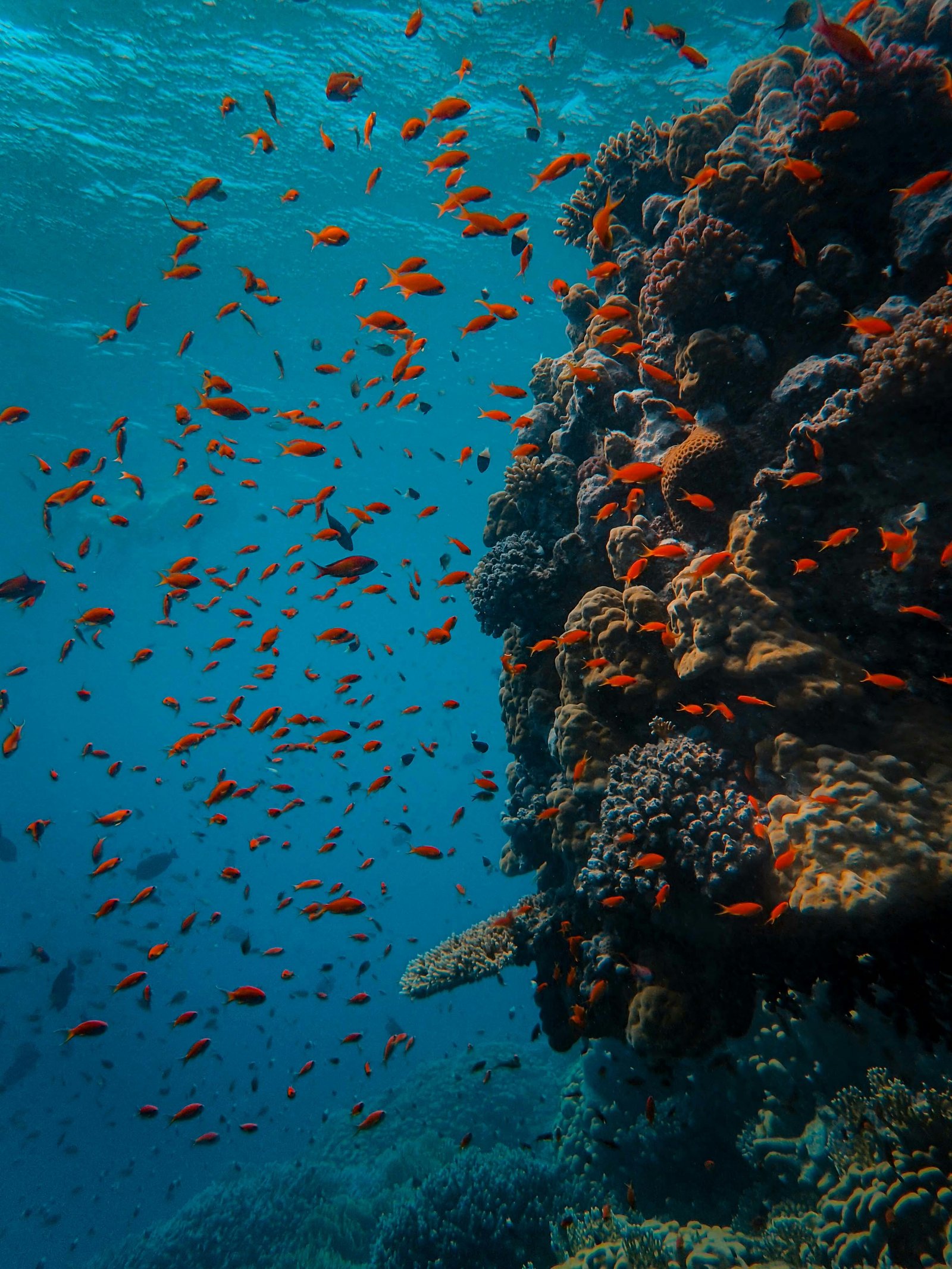
In rapidly developing countries like India, urban redevelopment projects are becoming increasingly common as cities strive to modernize and accommodate their growing populations. While these projects bring economic growth and improved infrastructure, they also have significant implications for the natural world, particularly for the diverse array of animals and creatures that call these urban environments home. The clash between conservation efforts and urban development is perhaps most starkly illustrated in the case of India, a country known for its rich wildlife heritage. From the majestic Bengal tiger to the endangered Indian rhinoceros, India is home to a wide variety of iconic and vulnerable species that are under threat from habitat loss and fragmentation due to urban expansion. One of the key challenges of urban redevelopment in India is finding a balance between the needs of humans and wildlife. As cities expand and landscapes are transformed, wildlife populations are often pushed to the margins, leading to increased conflicts between animals and humans. This can result in issues such as human-wildlife conflict, where animals stray into urban areas in search of food and shelter, leading to negative interactions with humans. However, there are innovative approaches being taken to mitigate the impact of urban redevelopment on Indian wildlife. Conservation organizations and government agencies are working together to implement measures such as wildlife corridors, green spaces, and eco-friendly infrastructure to create a more harmonious relationship between humans and animals in urban areas. For example, in cities like Mumbai and Bangalore, efforts are being made to create green belts and wildlife corridors to connect fragmented habitats and allow animals to move freely through the urban landscape. These measures not only benefit wildlife but also enhance the quality of life for city residents by providing green spaces for recreation and promoting biodiversity within urban areas. Ultimately, the key to successful urban redevelopment in India lies in taking a holistic approach that considers the needs of both humans and wildlife. By prioritizing conservation and adopting sustainable development practices, cities can create a more inclusive and resilient urban environment that benefits both people and the creatures that share our world. In conclusion, the impact of urban redevelopment on Indian wildlife is a complex and multifaceted issue that requires careful consideration and proactive measures to ensure the coexistence of humans and animals in urban areas. By working together towards a common goal of balancing conservation and development, we can create a more sustainable future for both our cities and the diverse wildlife that enriches our world. For a comprehensive overview, don't miss: https://www.continuar.org To get more information check: https://www.konsultan.org
https://especie.org
https://criatura.org
https://continuar.org
https://desencadenar.org
https://constructional.org
Leave a Comment:
SEARCH
Recent News
- Zurich, Switzerland is a vibrant city known for its stunning views, historic landmarks, and cultural events. One of the popular events that attract both locals and visitors alike is singing competitions.
- Zurich, Switzerland is not only known for its picturesque landscapes and vibrant culture but also for its diverse wildlife. While the city may be more commonly associated with its financial sector and luxury shopping, there are some rare and fascinating animals that call Zurich home.
- Hackathons have become a popular way for tech enthusiasts, developers, and innovators to come together and work on creative solutions to various challenges. Zurich, Switzerland, known for its thriving tech scene and innovation hub, has also seen a rise in hackathon competitions in recent years.
- Zurich, Switzerland, is a beautiful city known for its stunning architecture, picturesque landscapes, and rich cultural heritage. However, amidst all the beauty and sophistication, there is also a growing trend of keeping exotic pets in Zurich.
- In recent years, YouTube content creation has exploded in popularity, with creators from all walks of life sharing their talents, interests, and expertise with the world. One popular genre within the YouTube community is singing competitions, where aspiring musicians showcase their vocal abilities in hopes of gaining recognition and support from viewers.
- YouTube Content Creation: Showcasing Rare Animals through Translation
- YouTube Content Creation and Translation Hackathon Competitions
- Exotic pets have been gaining popularity among pet owners in recent years, and YouTube has become a popular platform for content creators to share their experiences with these unique animals. From colorful reptiles to unusual insects, there is no shortage of fascinating exotic pets to feature on YouTube channels.
READ MORE
11 months ago Category :

Zurich, Switzerland is a vibrant city known for its stunning views, historic landmarks, and cultural events. One of the popular events that attract both locals and visitors alike is singing competitions.
Read More →11 months ago Category :

Zurich, Switzerland is not only known for its picturesque landscapes and vibrant culture but also for its diverse wildlife. While the city may be more commonly associated with its financial sector and luxury shopping, there are some rare and fascinating animals that call Zurich home.
Read More →11 months ago Category :

Hackathons have become a popular way for tech enthusiasts, developers, and innovators to come together and work on creative solutions to various challenges. Zurich, Switzerland, known for its thriving tech scene and innovation hub, has also seen a rise in hackathon competitions in recent years.
Read More →11 months ago Category :
