Indonesia and Congo are two diverse countries that are home to a wide variety of animals and creatures, each adding to the unique ecosystems of their respective regions. The rich biodiversity found in both countries not only contributes to the natural beauty of the landscapes but also plays a crucial role in the overall health of the environment.
Category : | Sub Category : Posted on 2024-10-05 22:25:23
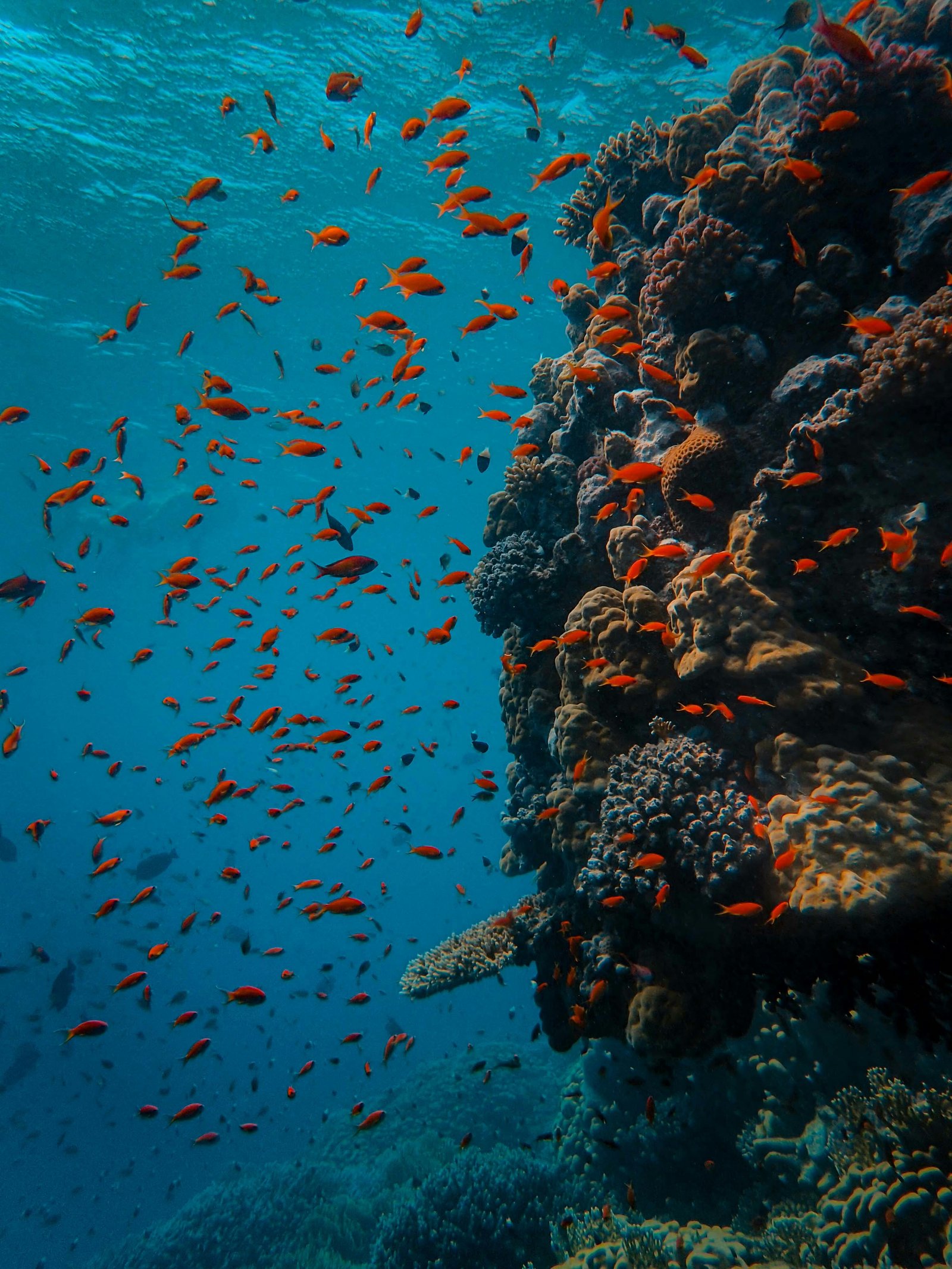
In Indonesia, which is known for its lush rainforests and diverse marine life, there is an abundance of fascinating creatures to discover. From the iconic orangutans of Borneo and Sumatra to the majestic Komodo dragons of Komodo Island, Indonesia is a paradise for wildlife enthusiasts. The country is also home to a wide range of bird species, including the colorful birds of paradise and the endangered Javan hawk-eagle. On the other hand, Congo, located in Central Africa, is known for its dense rainforests and incredible wildlife. The Congo Basin is one of the most biodiverse regions in the world, providing a habitat for a vast array of animals, including forest elephants, chimpanzees, and lowland gorillas. The country's rivers are home to diverse fish species, while its forests are teeming with unique birdlife and insects. While the natural beauty of these countries is a major draw for tourists and wildlife enthusiasts, both Indonesia and Congo also have burgeoning business sectors that contribute to their economies. Indonesia, as one of the largest economies in Southeast Asia, has a diverse business landscape that includes industries such as agriculture, manufacturing, tourism, and technology. The country has seen significant economic growth in recent years, attracting foreign investment and fostering entrepreneurship. Similarly, Congo, despite facing challenges related to political instability and infrastructure, has a growing business sector with opportunities in industries such as mining, agriculture, and energy. The country is rich in natural resources, including minerals like cobalt and copper, which play a vital role in its economy. Additionally, efforts are being made to promote sustainable business practices and eco-tourism to help preserve the country's natural habitats and wildlife. In conclusion, both Indonesia and Congo are not only home to a diverse array of animals and creatures that make them unique destinations for wildlife enthusiasts but also have thriving business sectors that contribute to their economic development. By balancing conservation efforts with sustainable business practices, these countries can continue to preserve their natural heritage for future generations to enjoy.
https://especie.org
https://criatura.org
https://continuar.org
Leave a Comment:
SEARCH
Recent News
- Zurich, Switzerland is a vibrant city known for its stunning views, historic landmarks, and cultural events. One of the popular events that attract both locals and visitors alike is singing competitions.
- Zurich, Switzerland is not only known for its picturesque landscapes and vibrant culture but also for its diverse wildlife. While the city may be more commonly associated with its financial sector and luxury shopping, there are some rare and fascinating animals that call Zurich home.
- Hackathons have become a popular way for tech enthusiasts, developers, and innovators to come together and work on creative solutions to various challenges. Zurich, Switzerland, known for its thriving tech scene and innovation hub, has also seen a rise in hackathon competitions in recent years.
- Zurich, Switzerland, is a beautiful city known for its stunning architecture, picturesque landscapes, and rich cultural heritage. However, amidst all the beauty and sophistication, there is also a growing trend of keeping exotic pets in Zurich.
- In recent years, YouTube content creation has exploded in popularity, with creators from all walks of life sharing their talents, interests, and expertise with the world. One popular genre within the YouTube community is singing competitions, where aspiring musicians showcase their vocal abilities in hopes of gaining recognition and support from viewers.
- YouTube Content Creation: Showcasing Rare Animals through Translation
- YouTube Content Creation and Translation Hackathon Competitions
- Exotic pets have been gaining popularity among pet owners in recent years, and YouTube has become a popular platform for content creators to share their experiences with these unique animals. From colorful reptiles to unusual insects, there is no shortage of fascinating exotic pets to feature on YouTube channels.
READ MORE
8 months ago Category :

Zurich, Switzerland is a vibrant city known for its stunning views, historic landmarks, and cultural events. One of the popular events that attract both locals and visitors alike is singing competitions.
Read More →8 months ago Category :

Zurich, Switzerland is not only known for its picturesque landscapes and vibrant culture but also for its diverse wildlife. While the city may be more commonly associated with its financial sector and luxury shopping, there are some rare and fascinating animals that call Zurich home.
Read More →8 months ago Category :

Hackathons have become a popular way for tech enthusiasts, developers, and innovators to come together and work on creative solutions to various challenges. Zurich, Switzerland, known for its thriving tech scene and innovation hub, has also seen a rise in hackathon competitions in recent years.
Read More →8 months ago Category :
