**Exploring the Economic Welfare Theory in New Zealand's Unique Animals and Creatures**
Category : | Sub Category : Posted on 2024-10-05 22:25:23
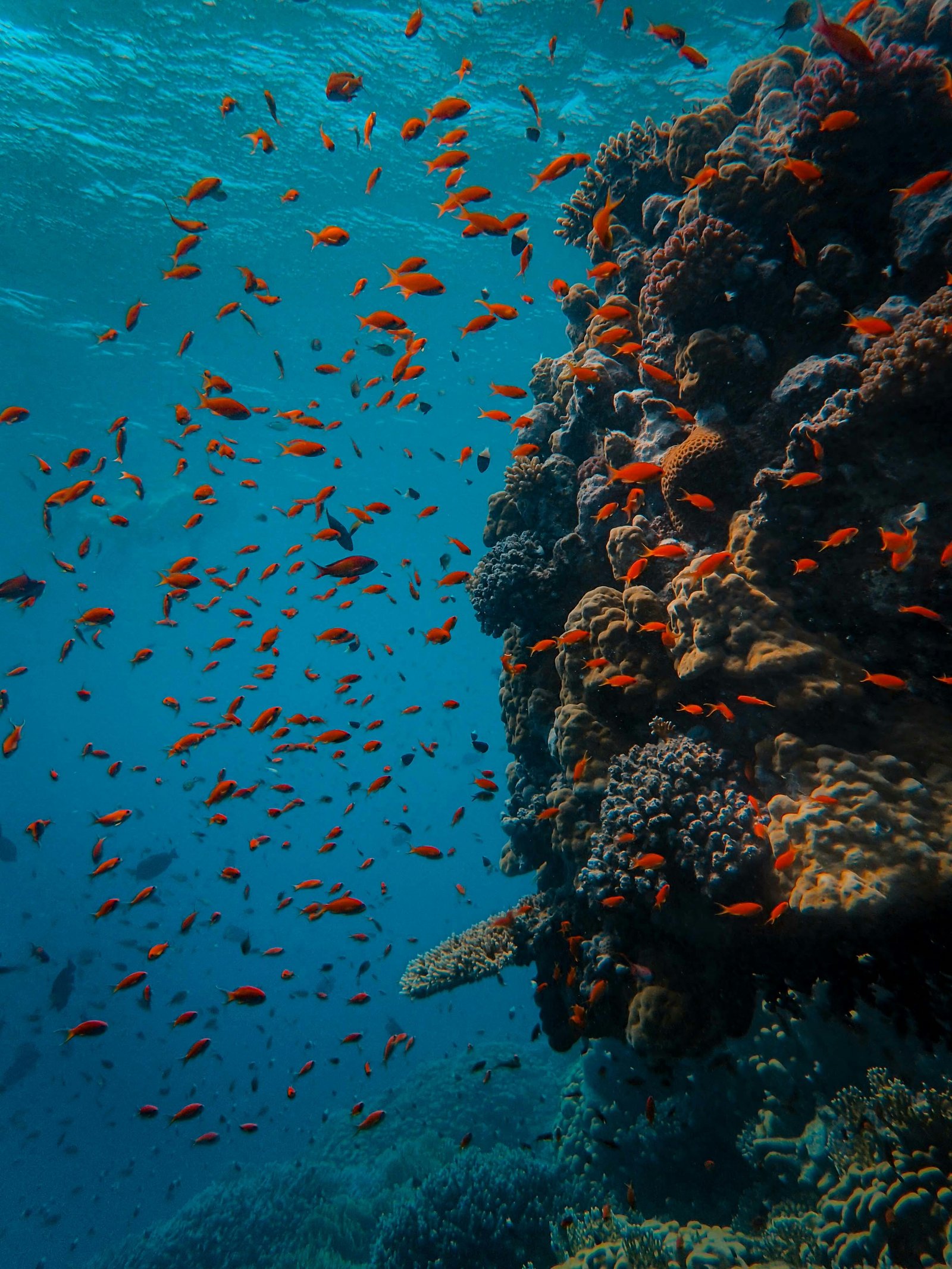
In the vibrant and diverse ecosystem of New Zealand, a land filled with unique animals and creatures, the application of economic welfare theory becomes a compelling subject of study. The concept of economic welfare theory aims to assess the well-being of individuals within a society and evaluate how resources are allocated to maximize overall welfare. When applied to the context of New Zealand's wildlife, this theory offers insights into the sustainable management and conservation efforts necessary to protect the country's iconic species. New Zealand is renowned for its distinct flora and fauna, with many species found nowhere else on Earth. From the flightless kiwi bird to the elusive tuatara lizard, these creatures contribute to the country's ecological diversity and cultural identity. However, the economic welfare of these animals is often overlooked in mainstream discussions of environmental conservation. One way to incorporate economic welfare theory into the conservation of New Zealand's animals and creatures is through the concept of non-market valuation. This approach assigns a monetary value to the benefits derived from natural resources, including wildlife, that are not traded in traditional markets. By quantifying the economic value of preserving these unique species, policymakers and conservationists can make more informed decisions about resource allocation and environmental management. Another aspect of economic welfare theory relevant to New Zealand's wildlife is the idea of externalities. In the context of conservation, externalities refer to the positive or negative impacts that the presence of a species can have on other ecosystem components or human activities. For example, the introduction of invasive species like stoats or possums can have detrimental effects on native wildlife, leading to a decline in biodiversity and ecosystem health. By considering these externalities in conservation planning, stakeholders can develop strategies to mitigate negative impacts and enhance the overall welfare of New Zealand's animals and creatures. Furthermore, the concept of intergenerational equity plays a crucial role in the economic welfare theory of wildlife conservation. As stewards of the environment, current generations have a responsibility to preserve and protect New Zealand's unique animals and creatures for future generations to enjoy. By implementing sustainable management practices and investing in conservation efforts today, society can ensure the long-term well-being of both human and non-human inhabitants of the country. In conclusion, the economic welfare theory provides a valuable framework for understanding the relationship between New Zealand's unique animals and creatures and the well-being of society as a whole. By integrating economic principles into conservation practices, stakeholders can maximize the benefits derived from the country's rich biodiversity while ensuring the long-term sustainability of its natural heritage. Through a holistic approach that considers both economic and ecological factors, New Zealand can continue to be a global leader in wildlife conservation and environmental stewardship.
https://especie.org
https://criatura.org
Leave a Comment:
SEARCH
Recent News
- Zurich, Switzerland is a vibrant city known for its stunning views, historic landmarks, and cultural events. One of the popular events that attract both locals and visitors alike is singing competitions.
- Zurich, Switzerland is not only known for its picturesque landscapes and vibrant culture but also for its diverse wildlife. While the city may be more commonly associated with its financial sector and luxury shopping, there are some rare and fascinating animals that call Zurich home.
- Hackathons have become a popular way for tech enthusiasts, developers, and innovators to come together and work on creative solutions to various challenges. Zurich, Switzerland, known for its thriving tech scene and innovation hub, has also seen a rise in hackathon competitions in recent years.
- Zurich, Switzerland, is a beautiful city known for its stunning architecture, picturesque landscapes, and rich cultural heritage. However, amidst all the beauty and sophistication, there is also a growing trend of keeping exotic pets in Zurich.
- In recent years, YouTube content creation has exploded in popularity, with creators from all walks of life sharing their talents, interests, and expertise with the world. One popular genre within the YouTube community is singing competitions, where aspiring musicians showcase their vocal abilities in hopes of gaining recognition and support from viewers.
- YouTube Content Creation: Showcasing Rare Animals through Translation
- YouTube Content Creation and Translation Hackathon Competitions
- Exotic pets have been gaining popularity among pet owners in recent years, and YouTube has become a popular platform for content creators to share their experiences with these unique animals. From colorful reptiles to unusual insects, there is no shortage of fascinating exotic pets to feature on YouTube channels.
READ MORE
8 months ago Category :

Zurich, Switzerland is a vibrant city known for its stunning views, historic landmarks, and cultural events. One of the popular events that attract both locals and visitors alike is singing competitions.
Read More →8 months ago Category :

Zurich, Switzerland is not only known for its picturesque landscapes and vibrant culture but also for its diverse wildlife. While the city may be more commonly associated with its financial sector and luxury shopping, there are some rare and fascinating animals that call Zurich home.
Read More →8 months ago Category :

Hackathons have become a popular way for tech enthusiasts, developers, and innovators to come together and work on creative solutions to various challenges. Zurich, Switzerland, known for its thriving tech scene and innovation hub, has also seen a rise in hackathon competitions in recent years.
Read More →8 months ago Category :
