Exploring Renewable Energy in Rio de Janeiro, Brazil: A Sustainable Future for Animals and Creatures
Category : | Sub Category : Posted on 2024-10-05 22:25:23
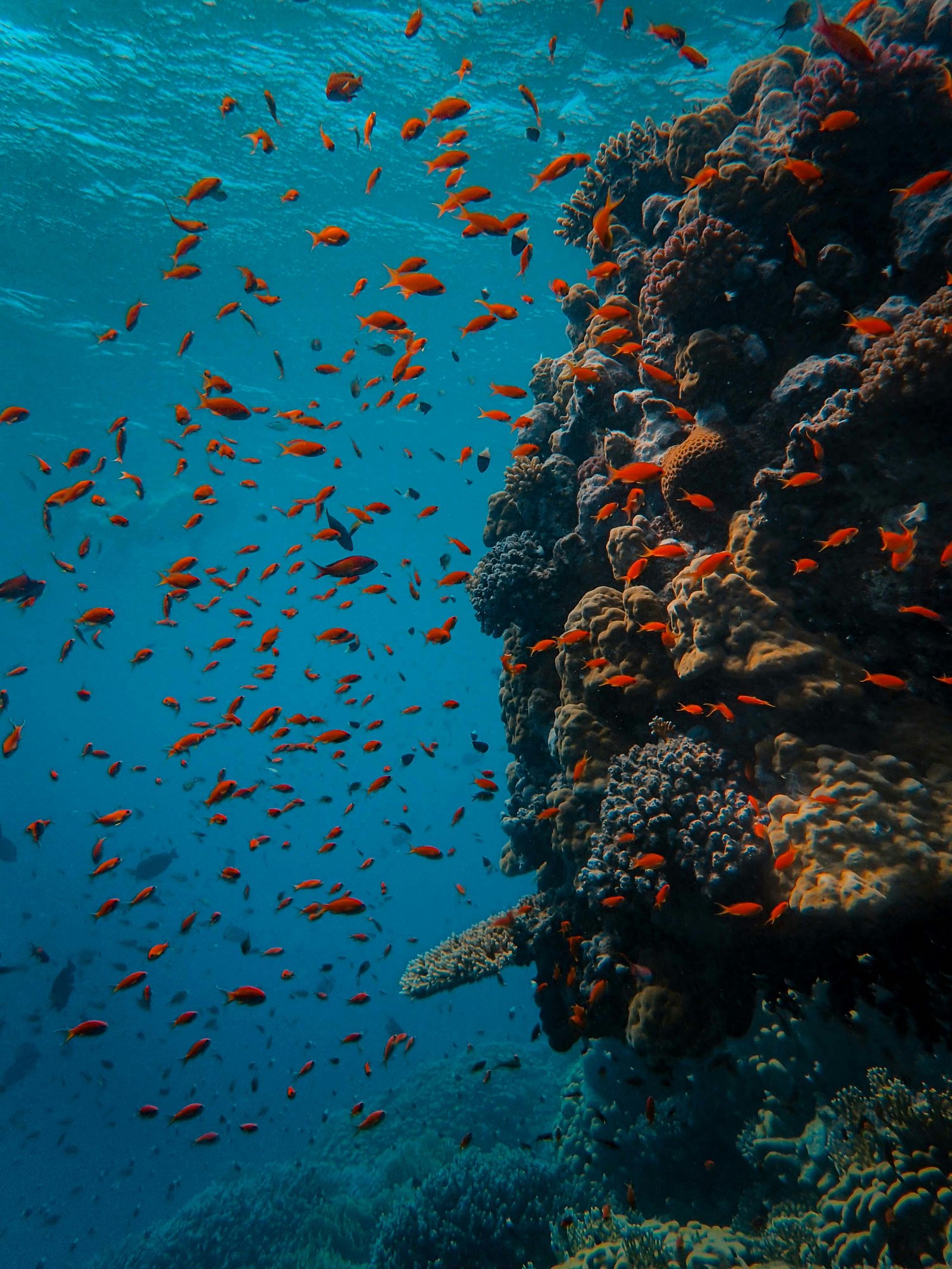
Rio de Janeiro, Brazil, known for its stunning natural beauty and diverse wildlife, is also making strides towards a more sustainable future through the implementation of renewable energy sources. This shift towards cleaner energy not only benefits the environment but also plays a crucial role in protecting the habitats of various animals and creatures that call Rio de Janeiro home. One of the most prominent renewable energy sources in Rio de Janeiro is solar power. With its abundant sunshine, the city has been harnessing the power of the sun to generate electricity through solar panels installed on rooftops, buildings, and even floating solar farms on reservoirs. By reducing the reliance on fossil fuels, solar energy helps decrease greenhouse gas emissions that contribute to climate change, ultimately preserving the natural habitats of animals and creatures in the region. In addition to solar power, Rio de Janeiro is also investing in wind energy. The city's strategic location along the coast provides strong and consistent winds, ideal for generating clean electricity through wind turbines. By tapping into this renewable resource, Rio de Janeiro not only reduces its carbon footprint but also minimizes the impact of traditional energy production on the surrounding wildlife and ecosystems. Hydropower is another significant renewable energy source in Rio de Janeiro, with numerous hydroelectric plants harnessing the power of rivers and waterfalls to generate electricity. While hydropower has its own set of environmental considerations, such as the disruption of river ecosystems, it remains a crucial part of Rio de Janeiro's renewable energy mix and helps meet the growing energy demands of the city while preserving the habitats of aquatic animals and creatures. Furthermore, Rio de Janeiro is exploring innovative solutions such as biomass energy, which utilizes organic materials like sugarcane residue and wood chips to produce power. By turning waste into energy, biomass helps reduce landfill waste and provides a sustainable alternative to fossil fuels, benefiting both the environment and the wildlife that depends on healthy ecosystems. As Rio de Janeiro continues to embrace renewable energy sources, the city moves towards a more sustainable future that not only benefits its human population but also ensures the well-being of the animals and creatures that play a vital role in the region's rich biodiversity. By reducing carbon emissions, minimizing environmental impact, and preserving natural habitats, Rio de Janeiro sets an example for cities worldwide on how to achieve a harmonious balance between energy production and wildlife conservation. In conclusion, the transition to renewable energy in Rio de Janeiro represents a significant step towards a greener, more sustainable future for both humans and the diverse animals and creatures that inhabit this vibrant city. By harnessing the power of renewable resources like solar, wind, hydro, and biomass energy, Rio de Janeiro paves the way for a cleaner, healthier environment where wildlife can thrive alongside sustainable energy production. visit: https://www.keralachessyoutubers.com Click the following link for more https://www.riodejanieroinfo.com
https://tosaopauolo.com
https://riodejanieroinfo.com
https://uptube.net
https://sunpowerpanels.com
https://especie.org
https://criatura.org
https://refueling.net
Leave a Comment:
SEARCH
Recent News
- Zurich, Switzerland is a vibrant city known for its stunning views, historic landmarks, and cultural events. One of the popular events that attract both locals and visitors alike is singing competitions.
- Zurich, Switzerland is not only known for its picturesque landscapes and vibrant culture but also for its diverse wildlife. While the city may be more commonly associated with its financial sector and luxury shopping, there are some rare and fascinating animals that call Zurich home.
- Hackathons have become a popular way for tech enthusiasts, developers, and innovators to come together and work on creative solutions to various challenges. Zurich, Switzerland, known for its thriving tech scene and innovation hub, has also seen a rise in hackathon competitions in recent years.
- Zurich, Switzerland, is a beautiful city known for its stunning architecture, picturesque landscapes, and rich cultural heritage. However, amidst all the beauty and sophistication, there is also a growing trend of keeping exotic pets in Zurich.
- In recent years, YouTube content creation has exploded in popularity, with creators from all walks of life sharing their talents, interests, and expertise with the world. One popular genre within the YouTube community is singing competitions, where aspiring musicians showcase their vocal abilities in hopes of gaining recognition and support from viewers.
- YouTube Content Creation: Showcasing Rare Animals through Translation
- YouTube Content Creation and Translation Hackathon Competitions
- Exotic pets have been gaining popularity among pet owners in recent years, and YouTube has become a popular platform for content creators to share their experiences with these unique animals. From colorful reptiles to unusual insects, there is no shortage of fascinating exotic pets to feature on YouTube channels.
READ MORE
8 months ago Category :

Zurich, Switzerland is a vibrant city known for its stunning views, historic landmarks, and cultural events. One of the popular events that attract both locals and visitors alike is singing competitions.
Read More →8 months ago Category :

Zurich, Switzerland is not only known for its picturesque landscapes and vibrant culture but also for its diverse wildlife. While the city may be more commonly associated with its financial sector and luxury shopping, there are some rare and fascinating animals that call Zurich home.
Read More →8 months ago Category :

Hackathons have become a popular way for tech enthusiasts, developers, and innovators to come together and work on creative solutions to various challenges. Zurich, Switzerland, known for its thriving tech scene and innovation hub, has also seen a rise in hackathon competitions in recent years.
Read More →8 months ago Category :
