Rwanda's Remarkable Wildlife and the Growing Influence of Korean Businesses
Category : | Sub Category : Posted on 2024-10-05 22:25:23
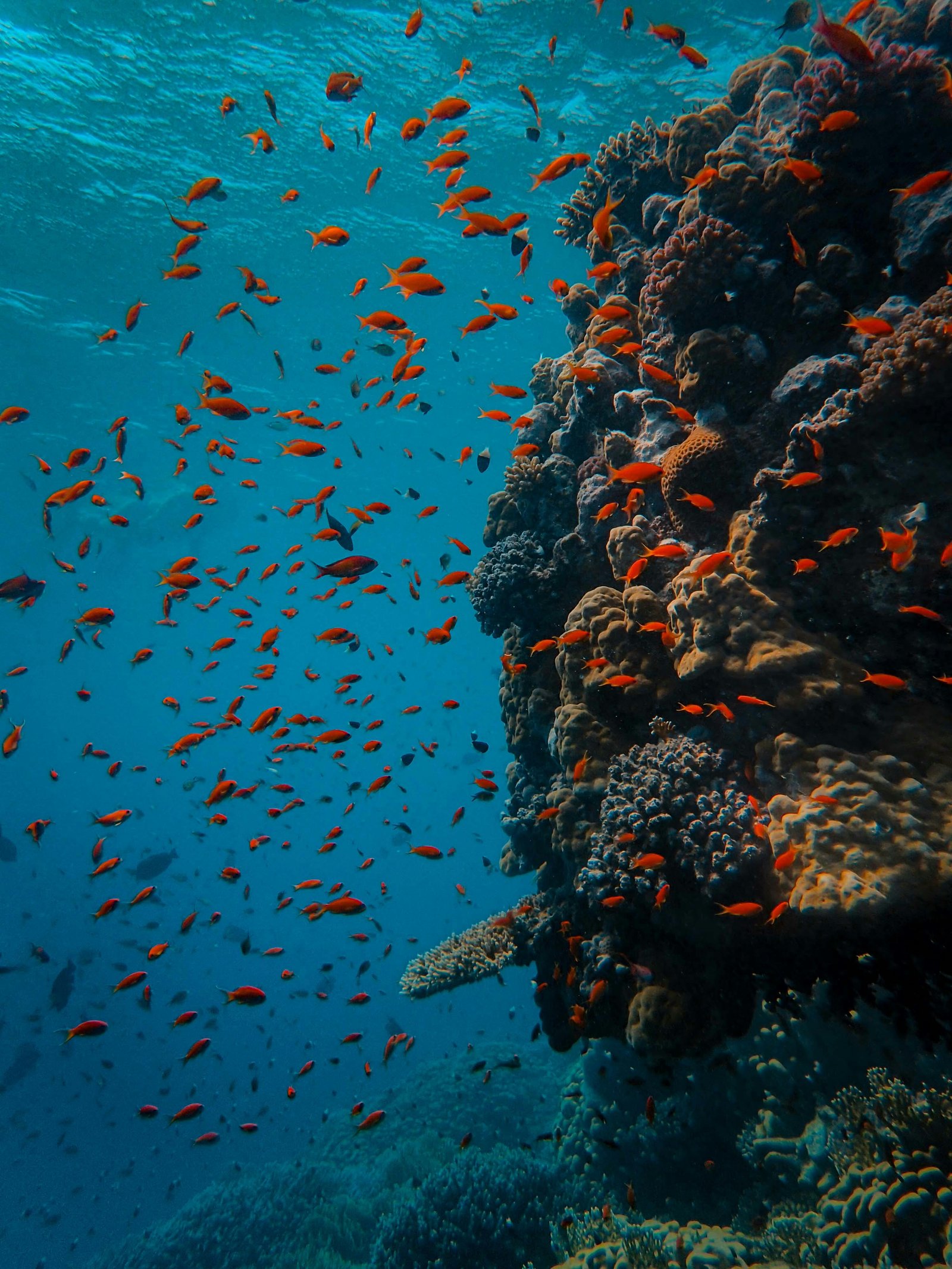
Rwanda, known as the land of a thousand hills, is not only famous for its stunning landscapes and rich culture but also for its remarkable wildlife. From the iconic mountain gorillas to the diverse bird species and other unique animals, Rwanda is a haven for nature lovers and conservation enthusiasts. One of the most iconic creatures in Rwanda is the endangered mountain gorilla. With only around 1,000 individuals left in the wild, seeing these majestic primates in their natural habitat is a truly unforgettable experience. Visitors to Rwanda can trek through the dense forests of Volcanoes National Park to encounter these gentle giants up close, contributing to the conservation efforts that have helped increase their numbers in recent years. Apart from gorillas, Rwanda is also home to a variety of other wildlife, including golden monkeys, elephants, hippos, and a plethora of bird species. The country's national parks and conservation areas offer a chance to observe these animals in their natural environment, showcasing Rwanda's commitment to preserving its biodiversity and promoting eco-tourism. In recent years, Rwanda has seen a growing presence of Korean businesses in various sectors, including technology, construction, and healthcare. Korean companies have been investing in Rwanda's economy, bringing expertise, innovation, and job opportunities to the country. This influx of Korean investment has played a significant role in Rwanda's economic development and has helped strengthen the bilateral relations between the two countries. One notable example of Korean involvement in Rwanda is the construction of the Kigali Wholesale Market, a state-of-the-art facility that has transformed the country's agricultural sector by providing a modern and efficient trading platform for farmers and vendors. This project, funded by the Korea International Cooperation Agency (KOICA), has had a positive impact on Rwanda's economy and food security. As Rwanda continues to showcase its natural beauty and conservation efforts, and Korean businesses make their mark on the country's economic landscape, the future looks bright for this East African nation. Through sustainable development practices and strategic partnerships, Rwanda is poised to become a model for wildlife conservation and economic growth in the region. In conclusion, the intersection of Rwanda's remarkable wildlife and the growing influence of Korean businesses presents a promising outlook for the country's future. By balancing conservation efforts with economic development, Rwanda is creating a sustainable path forward that benefits both its people and its natural heritage. For an alternative viewpoint, explore https://www.konsultan.org
https://especie.org
https://criatura.org
https://continuar.org
Leave a Comment:
SEARCH
Recent News
- Zurich, Switzerland is a vibrant city known for its stunning views, historic landmarks, and cultural events. One of the popular events that attract both locals and visitors alike is singing competitions.
- Zurich, Switzerland is not only known for its picturesque landscapes and vibrant culture but also for its diverse wildlife. While the city may be more commonly associated with its financial sector and luxury shopping, there are some rare and fascinating animals that call Zurich home.
- Hackathons have become a popular way for tech enthusiasts, developers, and innovators to come together and work on creative solutions to various challenges. Zurich, Switzerland, known for its thriving tech scene and innovation hub, has also seen a rise in hackathon competitions in recent years.
- Zurich, Switzerland, is a beautiful city known for its stunning architecture, picturesque landscapes, and rich cultural heritage. However, amidst all the beauty and sophistication, there is also a growing trend of keeping exotic pets in Zurich.
- In recent years, YouTube content creation has exploded in popularity, with creators from all walks of life sharing their talents, interests, and expertise with the world. One popular genre within the YouTube community is singing competitions, where aspiring musicians showcase their vocal abilities in hopes of gaining recognition and support from viewers.
- YouTube Content Creation: Showcasing Rare Animals through Translation
- YouTube Content Creation and Translation Hackathon Competitions
- Exotic pets have been gaining popularity among pet owners in recent years, and YouTube has become a popular platform for content creators to share their experiences with these unique animals. From colorful reptiles to unusual insects, there is no shortage of fascinating exotic pets to feature on YouTube channels.
READ MORE
8 months ago Category :

Zurich, Switzerland is a vibrant city known for its stunning views, historic landmarks, and cultural events. One of the popular events that attract both locals and visitors alike is singing competitions.
Read More →8 months ago Category :

Zurich, Switzerland is not only known for its picturesque landscapes and vibrant culture but also for its diverse wildlife. While the city may be more commonly associated with its financial sector and luxury shopping, there are some rare and fascinating animals that call Zurich home.
Read More →8 months ago Category :

Hackathons have become a popular way for tech enthusiasts, developers, and innovators to come together and work on creative solutions to various challenges. Zurich, Switzerland, known for its thriving tech scene and innovation hub, has also seen a rise in hackathon competitions in recent years.
Read More →8 months ago Category :
