Shanghai, a bustling metropolis known for its vibrant culture and modern skyline, is also home to a variety of rare and endangered animals. Despite rapid urbanization, efforts are being made to protect these unique creatures and their habitats. Let's explore some of the rare animals that call Shanghai home.
Category : | Sub Category : Posted on 2025-11-03 22:25:23
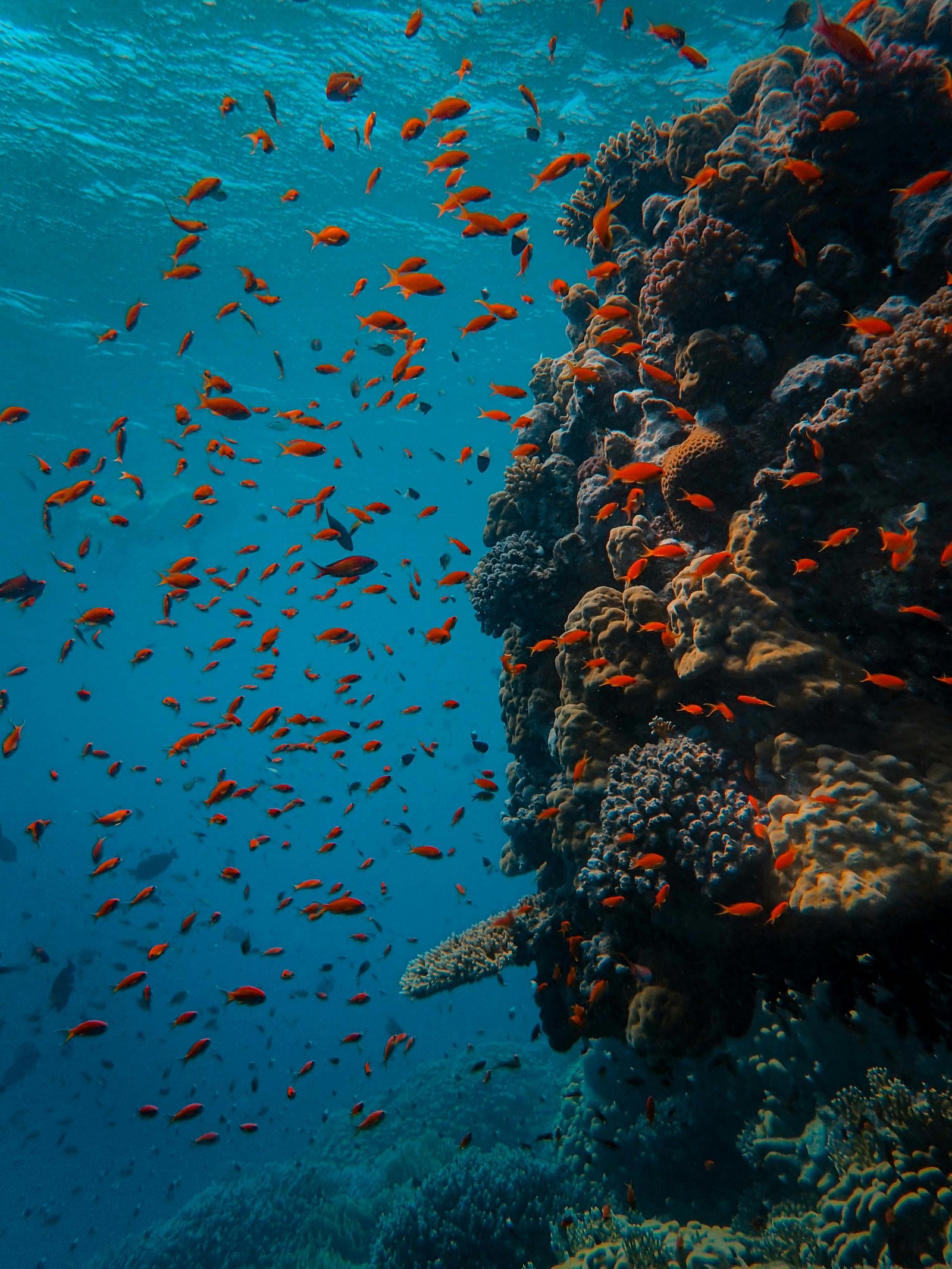
One of the most well-known rare animals in Shanghai is the Chinese alligator. Native to eastern China, including the Yangtze River basin where Shanghai is located, the Chinese alligator is a critically endangered species. These elusive reptiles can be found in the wetlands and rivers of the region, where they feed on fish, crustaceans, and small mammals. Conservation efforts in Shanghai focus on protecting the remaining habitats of the Chinese alligator and raising awareness about the importance of preserving this species. Another rare animal that can be found in Shanghai is the red-crowned crane. With its striking red crown and elegant white plumage, the red-crowned crane is a symbol of longevity and good fortune in Chinese culture. These majestic birds can be seen in the wetlands and marshes of Shanghai, where they feed on fish, insects, and plants. Due to habitat loss and poaching, the red-crowned crane is classified as vulnerable, and conservationists are working to protect its remaining habitats and breeding grounds. In addition to the Chinese alligator and red-crowned crane, Shanghai is also home to other rare animals such as the Eurasian otter, Chinese pangolin, and Chinese box turtle. These species face various threats, including habitat destruction, illegal wildlife trade, and pollution. Conservation organizations in Shanghai are working to address these challenges through habitat restoration, anti-poaching measures, and public education campaigns. As visitors and residents of Shanghai, we can all play a role in protecting the city's rare and endangered animals. By supporting conservation initiatives, practicing sustainable tourism, and raising awareness about the importance of biodiversity, we can help ensure a brighter future for these unique creatures. Together, we can ensure that Shanghai remains a safe and thriving habitat for rare animals for generations to come. For a comprehensive review, explore https://www.vetbd.com To understand this better, read https://www.vacas.net For a broader exploration, take a look at https://www.agriculturist.org More in https://www.pjoy.org Seeking more information? The following has you covered. https://www.cruzar.org to Get more information at https://www.especie.org For a closer look, don't forget to read https://www.abandonar.org More about this subject in https://www.culturelle.org If you are interested you can check https://www.departements.org Discover more about this topic through https://www.regionales.net Seeking in-depth analysis? The following is a must-read. https://www.animalist.net To see the full details, click on: https://www.isshanghai.com
Leave a Comment:
SEARCH
Recent News
- Zurich, Switzerland is a vibrant city known for its stunning views, historic landmarks, and cultural events. One of the popular events that attract both locals and visitors alike is singing competitions.
- Zurich, Switzerland is not only known for its picturesque landscapes and vibrant culture but also for its diverse wildlife. While the city may be more commonly associated with its financial sector and luxury shopping, there are some rare and fascinating animals that call Zurich home.
- Hackathons have become a popular way for tech enthusiasts, developers, and innovators to come together and work on creative solutions to various challenges. Zurich, Switzerland, known for its thriving tech scene and innovation hub, has also seen a rise in hackathon competitions in recent years.
- Zurich, Switzerland, is a beautiful city known for its stunning architecture, picturesque landscapes, and rich cultural heritage. However, amidst all the beauty and sophistication, there is also a growing trend of keeping exotic pets in Zurich.
- In recent years, YouTube content creation has exploded in popularity, with creators from all walks of life sharing their talents, interests, and expertise with the world. One popular genre within the YouTube community is singing competitions, where aspiring musicians showcase their vocal abilities in hopes of gaining recognition and support from viewers.
- YouTube Content Creation: Showcasing Rare Animals through Translation
- YouTube Content Creation and Translation Hackathon Competitions
- Exotic pets have been gaining popularity among pet owners in recent years, and YouTube has become a popular platform for content creators to share their experiences with these unique animals. From colorful reptiles to unusual insects, there is no shortage of fascinating exotic pets to feature on YouTube channels.
READ MORE
10 months ago Category :

Zurich, Switzerland is a vibrant city known for its stunning views, historic landmarks, and cultural events. One of the popular events that attract both locals and visitors alike is singing competitions.
Read More →10 months ago Category :

Zurich, Switzerland is not only known for its picturesque landscapes and vibrant culture but also for its diverse wildlife. While the city may be more commonly associated with its financial sector and luxury shopping, there are some rare and fascinating animals that call Zurich home.
Read More →10 months ago Category :

Hackathons have become a popular way for tech enthusiasts, developers, and innovators to come together and work on creative solutions to various challenges. Zurich, Switzerland, known for its thriving tech scene and innovation hub, has also seen a rise in hackathon competitions in recent years.
Read More →10 months ago Category :
